Table of Contents
- Is a 3D Design Career Financially Viable?
- The Reality of the 3D Industry Job Market
- Benefits of 3D Home Design and Professional Applications
- 3D Design vs 2D Blueprints: Why Modern Workflows Matter
- How 3D Design Prevents Construction Errors and Saves Money
- Pros and Cons of Pursuing 3D Design as a Career
- Building a Portfolio and Navigating Specialization
- AI Impact on 3D Workflows and Your Career Future
- Frequently Asked Questions
Last Updated: August 31, 2026
Is a 3D Design Career Financially Viable?
The question of whether is 3D design worth it as a career path cuts to the heart of a fundamental tension: the creative industry promises fulfillment and modern work, but the financial reality depends entirely on how you position yourself. The short answer is yes, but with significant caveats.
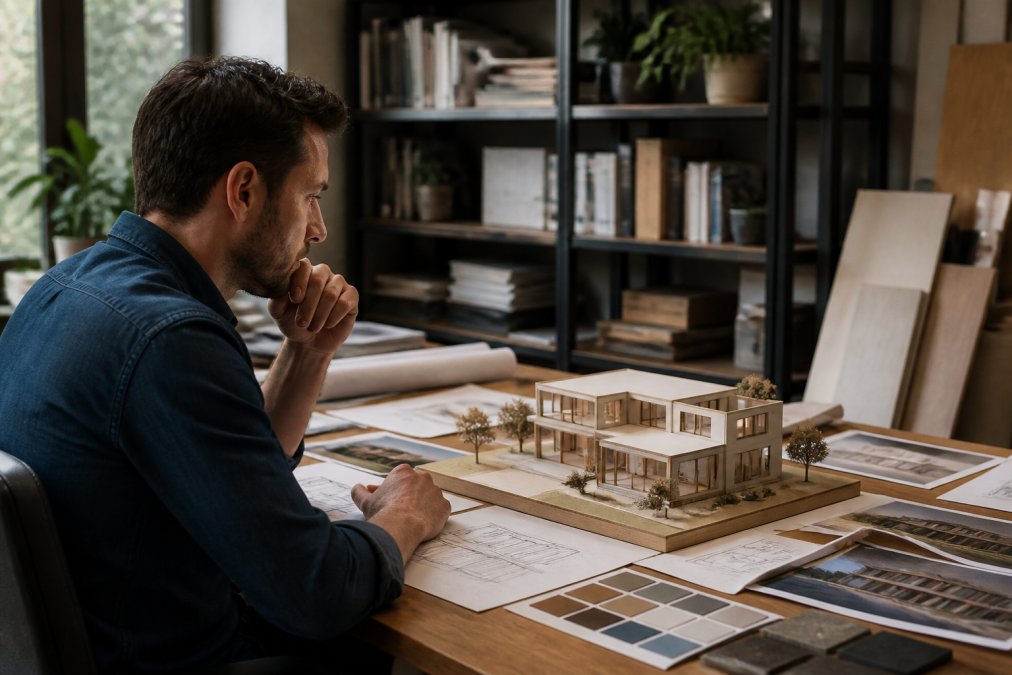
A 3D design career can be financially viable, particularly in specialized sectors like game development, architectural visualization, visual effects, and industrial design. However, viability hinges on three factors: your specialization, your ability to build a professional portfolio, and your willingness to navigate a competitive job market. Entry-level positions often start modestly, but experienced 3D artists in high-demand sectors command competitive compensation. The real question isn’t whether the field pays, it’s whether you’re willing to invest the time to become genuinely valuable in a specific niche.
At Remodeling Pros, we work with 3D design professionals and understand how visualization transforms complex projects. The same principles that make 3D rendering essential for home additions and architectural visualization apply across industries: the ability to show clients exactly what they’re getting before construction begins. This is where 3D design becomes not just valuable, but economically essential.
The Reality of the 3D Industry Job Market
The 3D design job market is neither oversaturated nor a guaranteed path to prosperity, it’s selective. Companies hiring 3D artists, modelers, and technical artists have specific needs, and they pay well for people who can meet them. The catch: they won’t hire generalists.
Game development studios, VFX houses, and architectural firms all need 3D talent, but each demands specialization. A character modeler in game development follows a different workflow than an architectural visualization specialist, who operates differently than a product designer creating industrial renderings. The market rewards depth in one area far more than surface-level competence across multiple disciplines.
Job market saturation exists primarily at the entry level, where many aspiring artists compete for junior positions. But as you move up, into senior modeling roles, lead positions, or specialized technical artist work, competition thins considerably. Studios struggle to find experienced professionals who understand both the artistic and technical sides of their pipeline. This gap is where real earning potential emerges.
Freelance opportunities have expanded significantly, particularly in architectural visualization and product rendering. Homeowners planning additions, architects presenting concepts, and product manufacturers all need high-quality 3D renderings. This creates a steady demand for independent contractors who can deliver professional results on deadline.
Benefits of 3D Home Design and Professional Applications
The applications for 3D design extend far beyond entertainment. In residential construction, 3D home design has become the standard for serious projects. Homeowners can visualize exactly what their addition or renovation will look like before a single wall comes down. This eliminates costly miscommunications and allows families to make informed decisions about layout, materials, and design before committing financially.
Architectural visualization, creating photorealistic renderings of buildings and interiors, has become essential for architects presenting designs to clients and municipalities. Real estate developers use 3D renderings to market properties before construction begins. These applications create steady, well-paying work for skilled 3D professionals.
Industrial design relies heavily on 3D modeling to prototype products, show clients iterations, and communicate manufacturing specifications. Product visualization for e-commerce uses 3D models to display items from every angle, reducing returns and increasing customer confidence. Each of these applications represents a distinct career path with its own compensation structure and skill requirements.
The value of 3D design in these contexts is measurable: it prevents expensive mistakes, accelerates decision-making, and communicates ideas that 2D plans simply cannot convey. When homeowners can see their new kitchen or addition in photorealistic detail before construction, they make faster decisions. When architects can present multiple design iterations to clients in 3D, they win more projects. This economic value translates directly into demand for skilled 3D professionals.
3D Design vs 2D Blueprints: Why Modern Workflows Matter
The shift from 2D blueprints to 3D models represents a fundamental change in how projects are planned and communicated. A 2D blueprint shows dimensions and layouts, but it requires clients to mentally reconstruct a three-dimensional space from flat drawings. A 3D model shows exactly what the space will look like, eliminating ambiguity.
3D design vs 2D blueprints matters because it changes the entire workflow. With 2D plans, clients often discover problems during construction, a window placement that looked fine on paper creates an awkward sight line in reality, or a doorway that seemed spacious feels cramped once built. These discoveries lead to change orders, delays, and cost overruns.
With 3D renderings, these issues surface during the design phase when they’re inexpensive to fix. A homeowner can see that the kitchen layout doesn’t work, or that the addition’s proportions don’t match the existing house, before construction begins. This front-loads problem-solving into the planning stage, where changes cost nothing.
From a professional standpoint, architects and designers who offer 3D visualization win more projects and command higher fees. Clients perceive 3D renderings as more professional and trustworthy than 2D plans. They’re willing to pay more for the clarity and confidence that photorealistic visualization provides. For 3D professionals, this means the skill is directly tied to income, the better your renderings, the higher your rates.
How 3D Design Prevents Construction Errors and Saves Money
Construction errors are expensive. A framing mistake that isn’t caught until walls are partially up requires deconstruction, rework, and delays. A material specification error might mean ordering the wrong windows or doors, creating weeks of delay. 3D design catches these problems before they become costly.
When a project is modeled in 3D, every dimension, material, and spatial relationship is defined. Contractors can review the model and identify conflicts before construction begins. A plumbing line that would run through a structural beam becomes obvious in 3D. A door that swings into a corner, making the space unusable, is visible immediately. These issues can be resolved in the design phase for minimal cost.
For home additions specifically, 3D design ensures the new structure integrates seamlessly with the existing house. Roof lines, wall heights, material transitions, and window alignments all need to coordinate. A 3D model shows whether the addition looks like a natural extension of the home or an awkward afterthought. This matters both functionally and financially, poorly integrated additions reduce home value, while well-designed ones enhance it.
The financial impact is direct: preventing a single major construction error typically saves thousands of dollars. When you multiply this across projects, the ROI on investing in professional 3D design becomes clear. Homeowners and contractors who use 3D visualization consistently report fewer change orders, shorter timelines, and higher client satisfaction.
Pros and Cons of Pursuing 3D Design as a Career
Pursuing 3D design as a career offers genuine advantages, but it comes with real trade-offs worth understanding before committing.
Pros:
-
Creative fulfillment, You’re solving visual problems and creating work that people see and interact with. The satisfaction of watching a concept become a finished render or completed project is substantial.
-
Diverse industry applications, 3D skills apply across game development, film and television, architecture, product design, real estate, manufacturing, and interior design. This breadth means multiple career paths and the ability to pivot if one sector slows.
-
Strong demand in specialized niches, While general 3D artists face competition, specialists in high-value sectors (VFX, architectural visualization, game development) are in genuine demand.
-
Scalable income potential, Experienced freelancers can charge premium rates for high-quality work. Senior positions in studios offer stable, well-compensated employment.
-
Remote work flexibility, Much 3D work can be done from anywhere with a capable computer and internet connection, offering location independence that many creative fields don’t provide.
Cons:
-
Long learning curve, Becoming genuinely proficient takes years, not months. Software mastery alone requires sustained practice, and developing an artistic eye takes even longer. The barrier to entry is real.
-
Hardware and software costs, Professional 3D software subscriptions (like Autodesk Maya or 3DS Max) run hundreds of dollars monthly (autodesk.com). High-performance computers capable of handling complex renders cost several thousand dollars (nvidia.com). These upfront investments are significant.
-
Creative burnout, Tight deadlines, repetitive tasks, and the pressure to constantly improve can lead to burnout. The creative work that initially excited you can become a grind when you’re working to client specifications under deadline pressure.
-
Job market volatility, While specialized roles are in demand, economic downturns hit creative industries hard. Game studios and VFX houses lay off staff during recessions (bls.gov). Freelance work becomes inconsistent when clients cut budgets.
-
Portfolio-dependent hiring, Your work is your resume. A weak portfolio, no matter your talent, will cost you opportunities. Building a strong portfolio requires years of practice and project experience.
-
AI impact on workflows, Generative AI is beginning to influence 3D workflows. Some tasks that previously required manual modeling are now partially automated. This doesn’t eliminate the need for skilled professionals, but it does change the skillset required and potentially compresses entry-level opportunities.
Building a Portfolio and Navigating Specialization
Your portfolio is your primary asset as a 3D professional. It’s not optional, it’s how potential employers and clients evaluate your capabilities. A strong portfolio demonstrates not just technical skill, but judgment about which work to showcase.

The most effective portfolios are specialized. Instead of showcasing five different types of work at mediocre quality, show ten pieces of exceptional work in one focused area. If you’re pursuing architectural visualization, every piece in your portfolio should demonstrate your ability to create photorealistic interior and exterior renderings. If you’re targeting game development, your portfolio should show character models, environments, or props, not a scattered mix of unrelated work.
Specialization matters because it signals to potential employers that you understand their specific pipeline. A game studio hiring a character modeler wants to see character work. An architectural firm wants photorealistic renderings of buildings and interiors. Generalists struggle to compete because they haven’t demonstrated depth in the area the employer needs.
Building a portfolio as a self-taught artist requires discipline. Create personal projects with clear goals: model a complete game-ready character, create a full architectural interior, design a product from concept through final render. These projects give you portfolio pieces and, more importantly, force you to solve real problems that professionals face daily. The process of completing a project, not just creating individual assets, teaches you workflow and problem-solving that theoretical learning cannot.
Internships and junior positions, if you can secure them, accelerate portfolio development dramatically. Working on real projects under professional guidance teaches industry-standard workflows, software conventions, and the kind of technical polish that separates professional work from hobbyist work. Even unpaid internships have value if they result in portfolio pieces you can show.
AI Impact on 3D Workflows and Your Career Future
Generative AI is reshaping 3D workflows, and understanding this shift is essential for anyone considering a 3D design career. The change isn’t that AI will replace 3D artists, it’s that AI is becoming part of the toolkit, and professionals who adapt will thrive while those who resist will struggle.
AI tools are already capable of generating 3D models from text descriptions or 2D images. These tools can create base geometry, suggest layouts, and generate variations rapidly. For routine tasks, creating simple assets, generating background elements, or producing multiple iterations of a design, AI significantly accelerates the workflow. A 3D artist who previously spent eight hours creating base geometry can now spend one hour refining AI-generated output.
This doesn’t eliminate the need for skilled 3D professionals. It changes what skills matter most. Technical proficiency with software remains important, but the ability to direct and refine AI output, make artistic decisions, and handle complex custom work becomes more valuable. Senior-level positions, art directors, lead artists, technical artists, are less vulnerable to AI displacement because they involve creative direction and problem-solving beyond what current AI can manage independently.
For entry-level work, the impact is more significant. Tasks that junior artists traditionally learned on, creating simple assets, modeling standard elements, producing variations, are increasingly automated. This compresses entry-level opportunities and raises the bar for what junior artists need to demonstrate. The path to becoming a professional 3D artist is becoming steeper, not easier.
The practical implication: if you’re considering a 3D design career, plan to specialize in complex, high-value work where AI is a tool rather than a replacement. Architectural visualization, character design, and technical art roles remain strong because they require artistic judgment, client communication, and problem-solving that AI cannot currently handle independently. Commodity work, simple product renders, basic 3D models, will increasingly be handled by AI or junior artists using AI tools.
The question of whether 3D design worth it depends on your specific circumstances, your commitment to specialization, and your realistic assessment of the work involved. If you’re drawn to creative work, willing to invest years in skill development, and capable of finding a specific niche where your expertise commands real value, then yes, a 3D design career can be financially viable and deeply satisfying.
But if you’re hoping for a quick path to income or expecting to remain a generalist, the reality is more challenging. The industry rewards specialists who deliver exceptional work in specific domains. Remodeling Pros works with 3D visualization professionals who understand this principle, they specialize in architectural rendering that helps homeowners and contractors visualize projects with photorealistic clarity. That focus is exactly what makes 3D skills economically valuable. If you’re willing to develop that kind of expertise, the career path ahead is solid. If you’re not, it’s worth reconsidering.
Frequently Asked Questions
Is 3D design worth it as a long-term career choice in 2026?
Yes, if you align your skills with market demand. 3D design is worth pursuing in specialized sectors like game development, architectural visualization, industrial design, and visual effects. The key is choosing a niche with consistent demand rather than treating 3D as a generalist skill. Freelancers and full-time employees both find opportunities, though income stability varies. The real value depends on your ability to build a strong portfolio, adapt to industry trends, and continuously update your technical skills as software and workflows evolve.
How does 3D design prevent construction errors and save money on projects?
3D design prevents costly mistakes by visualizing the entire project before construction begins. Unlike 2D blueprints, 3D models reveal spatial conflicts, dimension errors, and design flaws that only become obvious when viewing the space from multiple angles. This catches problems during the design phase rather than on-site, avoiding expensive rework. For home additions and renovations, 3D visualization helps clients and contractors align on expectations, reducing change orders and timeline delays that inflate costs.
What are the main benefits of 3D home design for residential remodeling?
3D home design transforms how homeowners plan renovations. It allows clients to see exactly how an addition or kitchen remodel will look before construction starts, reducing buyer’s remorse and design regrets. For contractors, 3D models improve communication, streamline permitting by providing clear visual documentation, and reduce on-site decision-making delays. Homeowners can test different layouts, materials, and colors virtually, making informed choices that actually add value to the property rather than guessing based on flat drawings.
Should I pursue formal education or teach myself 3D design?
Both paths work, but the choice affects timeline and specialization. Formal education provides structured learning, industry connections, and credential value for corporate roles in game development or VFX studios. Self-taught paths are faster and cheaper, ideal for freelancers and those targeting architectural visualization or product design. The ROI depends on your goal: corporate employment favors degrees, while freelance work values portfolio strength over credentials. Many successful 3D artists combine both, starting self-taught then pursuing specialized certifications or bootcamps to advance.