Table of Contents
- Start With the Numbers: What Buyers and Appraisers Actually Pay For
- Home Improvements That Increase Value: The Projects Worth Doing
- Ways to Increase Home Value on a Budget
- Home Renovation Return on Investment: What the Data Says
- Planning a Home Addition: What to Decide Before You Build
- Renovate, Repair, or Sell As-Is? A Decision Framework
- Permits, Codes, and Risks That Can Wipe Out Your Gains
- Frequently Asked Questions
Last Updated: October 18, 2026
Start With the Numbers: What Buyers and Appraisers Actually Pay For
Learning how to add value to home starts with one uncomfortable truth: buyers and appraisers do not score your house the same way, and knowing how to add value to home means pleasing both.
That gap explains why two identical homes on the same street can appraise within a few thousand dollars of each other and still sell at very different prices. The appraisal sets the floor.
Here is the practical split we walk clients through before any project starts:
- Appraisal-driven value: documented square footage, permitted additions, updated mechanical systems, condition ratings, and comparable sales data.
- Buyer-driven value: curb appeal, neutral finishes, natural light, storage, and a floor plan that matches how people actually live.
- Neither: cosmetic choices that are expensive but personal, such as bold tile, niche built-ins, or a converted garage that removes parking.
The overlap between the first two lists is where your money works hardest; the third is where budgets quietly disappear.
Spend first on projects that appear in both the appraisal file and the buyer’s first impression. Everything else is a judgment call.
Home Improvements That Increase Value: The Projects Worth Doing
The home improvements that increase value most reliably share three traits: they are visible, expected, and documented. A permitted addition that never shows up in listing photos helps less than a refreshed kitchen that does.
Curb Appeal and Landscaping
Curb appeal is the cheapest value lever you own, and it works before anyone opens the door. Trimmed hedges, a clean walkway, fresh mulch, and a front door that reads as new do more per dollar than most interior projects.
Landscaping matters most when it looks maintained, not elaborate. Cared-for mature plantings signal a well-kept house; overgrown beds signal deferred maintenance, and buyers price that fear into their offer.
Kitchen and Bathroom Upgrades
Kitchens and bathrooms carry outsized weight because buyers mentally price them out first. A dated kitchen makes every other room feel older than it is.
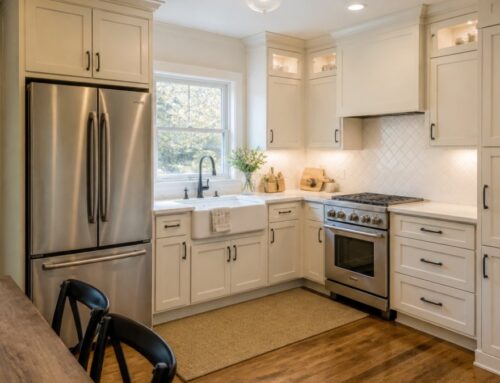
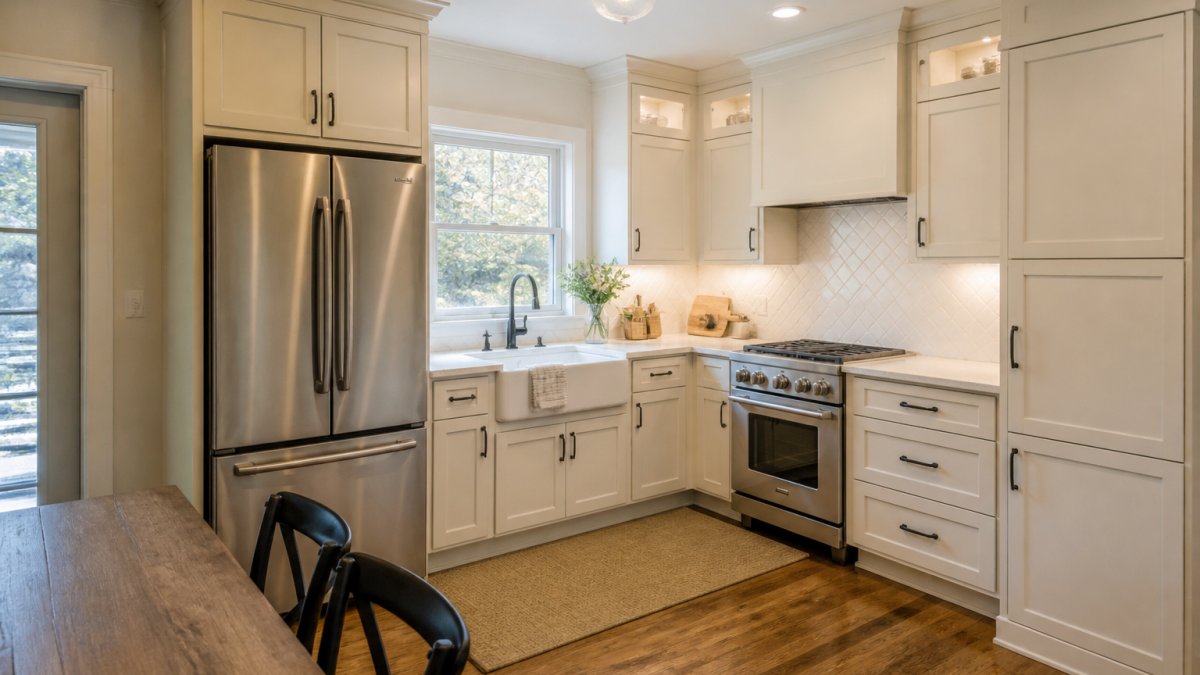
You do not need a full gut. Refacing cabinets, new hardware, an upgraded faucet and lighting, and a fresh backsplash often deliver most of the visual gain at a fraction of the cost.
Paint, Lighting, and Energy Efficiency
A fresh coat of neutral paint is the highest-return cosmetic move available: it resets how old a room feels and photographs well in listings.
Lighting is the underrated partner to paint: modern fixtures and brighter LEDs make rooms feel larger and cleaner, and read as updated in photos. Energy efficiency adds a quieter layer, efficient fixtures, better insulation, and a smart thermostat all reduce the buyer’s mental math about monthly costs.
Never claim energy savings you cannot document. Buyers ask for utility history, and unverifiable claims read as spin.
Ways to Increase Home Value on a Budget
Ways to increase home value on a budget follow one rule: fix what looks broken before you add what looks new. A house with a new light fixture and a leaking faucet is worth less than the reverse. Order matters as much as the list, so here is a sequenced roadmap for where a limited budget does the most work.
Stage 1: Stop the Bleeding (Inspection and Essential Repairs)
Before any cosmetic spending, walk the house the way an inspector would: roof, gutters, grading, foundation cracks, moisture stains, electrical panel, water heater age, and active leaks. Buyers discount these heavily and lenders may require them fixed before closing.
A common pattern: homeowners spend on paint and landscaping first, then discover a failing water heater or an end-of-life roof during the buyer’s inspection, and fund the repair from sale proceeds at a discount instead of from the improvement budget.
Stage 2: Deep Clean, Declutter, and Depersonalize
This stage costs mostly time. Clean grout, vents, windows, baseboards, and appliances. Remove excess furniture and personal items so rooms read at their true size. Buyers price clutter as lost square footage. This stage is free value and it makes every later stage photograph better.
Stage 3: Cosmetic Reset (Paint, Lighting, Hardware)
Once the house is sound and clean, cosmetic work has the highest return per dollar:
- Neutral paint room by room resets how old the house feels and photographs well in listings.
- Light fixtures and LED bulbs make rooms feel larger and cleaner and read as updated in photos.
- Cabinet hardware, faucets, and switch plates are inexpensive swaps that change the perceived age of a kitchen or bath without touching the layout.
Stage 4: Curb Appeal and the Front Entry
Trimmed hedges, fresh mulch, a clean walkway, a painted front door, and a working porch light do more per dollar than most interior projects. Landscaping should read as maintained, not elaborate.
Stage 5: Selective Smart-Home and Efficiency Upgrades
Add smart-home technology only where it is genuinely useful and expected in your price tier, a smart thermostat, video doorbell, or smart lighting. Improved insulation and efficient fixtures reduce the buyer’s mental math about monthly costs. Do not over-invest: buyers expect these features, they do not pay a premium for them.
A limited budget should move through the stages in order. Skipping Stage 1 to fund Stage 3 is the most common way homeowners lose money on a budget refresh.
What to Skip on a Budget
Some projects look like value and are not: bold tile or wallpaper that narrows the buyer pool, niche built-ins, a converted garage that removes parking, and luxury finishes in a house that does not support them.
None of the stages above require permits or a general contractor. Together they change how a house feels, most of what a first showing decides, and leave the larger budget intact for projects that actually need it.
Home Renovation Return on Investment: What the Data Says
Home renovation return on investment is not a single number, and anyone quoting one national figure is selling something. Returns vary by project type, price tier, region, and how well the finished work matches the neighborhood. The useful question is not “what is the average ROI?” but “what does this project return in my price tier, in my market, at this moment?”
How Return on Investment Is Actually Calculated
Cost recouped is the standard metric: the project’s resale contribution divided by its cost. Two adjustments matter. The resale contribution is measured against comparable homes that already have the feature, not your home before the project.
A second metric, cost versus value, is published annually by Remodeling magazine’s Cost vs. Value report and by the National Association of Realtors’ Remodeling Impact Report. Both are worth reading, but treat them as directional.
What the Pattern Looks Like by Project Type
The consistent pattern across published cost-versus-value data is a descending curve:
- Exterior replacements and minor cosmetic work tend to recover the largest share of cost, often the majority, because they are visible, expected, and inexpensive relative to the value they signal.
- Mid-range kitchen and bathroom remodels typically recover a substantial share but rarely all of it; the return depends heavily on whether the finished scope matches the neighborhood’s price tier.
- Upscale kitchen, bathroom, and primary-suite projects recover the smallest share as a percentage, because the cost curve rises faster than buyer willingness to pay for premium finishes.
National averages hide the two variables that matter most: your local comps and your price tier. A project that returns well in one market can lose money in another. Never set a budget from a national percentage alone.
The Local-Market Caveat That Changes the Math
Three local factors move returns more than project choice:
- Price tier. If your home already sits at the top of its neighborhood, most improvements are absorbed rather than rewarded. If it sits below the tier, bringing it up to the tier is where the return lives.
- Buyer expectations. In a market where updated kitchens are standard, a dated kitchen is a discount, not a neutral. In a market where they are rare, a mid-range refresh can outperform.
- Time horizon. Returns are realized at sale. If you sell within 12 months, only cosmetic and repair work reliably pays back. If you stay five years or more, use value, a kitchen you actually cook in, becomes part of the return, even if the resale percentage is modest.
A Practical Way to Sanity-Check a Project
Before committing, ask a local agent for the three closest recent sales, their condition notes, and their days on market. Compare your planned scope to that tier. If your scope sits well above it, scale the scope down before you scale the budget up. If your scope sits at or below it, the project is more likely to support both the appraisal and the sale price.
Run the numbers twice: once with the contractor’s bid, and once with the bid plus 15 percent for permits, design, and surprises. The second number is the one that determines your actual return.
Planning a Home Addition: What to Decide Before You Build
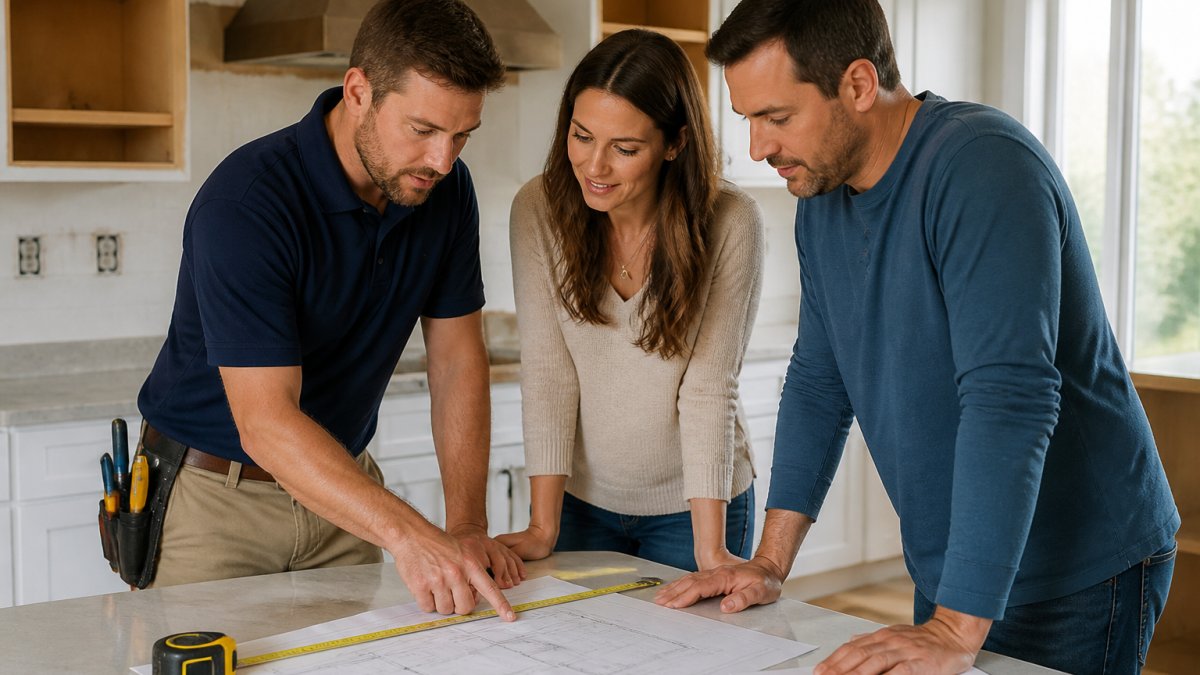
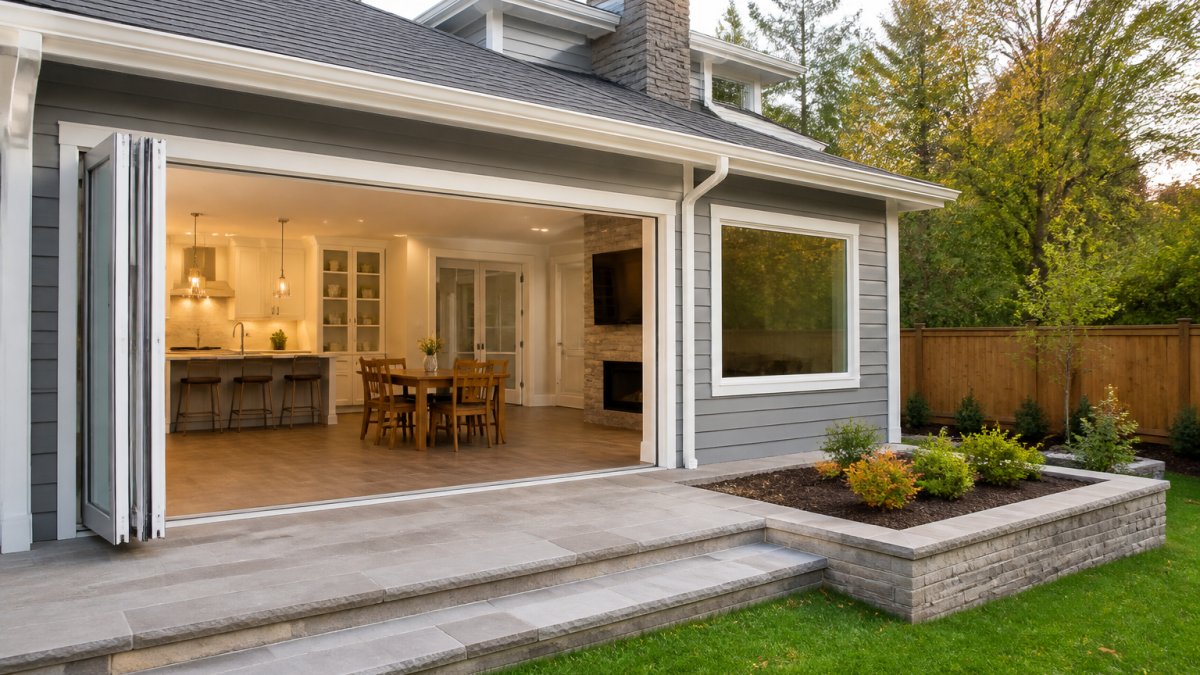
Planning a home addition is a design and sequencing problem before it is a construction problem. First-month decisions determine whether the project disrupts your family for a season or a year.
Decide these five things before drawings begin:
- Purpose and permanence. A home office that may become a bedroom needs different walls, egress, and permitting than a sunroom.
- Scope fit. Confirm the addition matches the size and price tier of nearby homes.
- Permits and setbacks. Zoning rules on lot coverage, height, and setbacks can shrink what you are allowed to build.
Our Last Day Breakthrough system keeps the original structure intact until the final stage, so your family keeps full use of the house through most of the project.
Renovate, Repair, or Sell As-Is? A Decision Framework
Choosing between renovating, repairing, and selling as-is comes down to three questions: what the work returns, whether you can fund it without stress, and how much time you have.
| Situation | Best Move | Why |
|---|---|---|
| Selling within 12 months, house is sound | Repair and refresh only | You will not recoup a major remodel in that window |
| Staying 5+ years, layout no longer fits | Renovate or add | You capture the use value, not just resale value |
| Structural or safety issues present | Repair first | Buyers discount defects heavily and lenders may require fixes |
| House already tops its price tier | Sell as-is or do cosmetic work | Over-improving rarely pays back |
| Funds limited, timeline flexible | Prioritized budget roadmap | Sequence projects by return and cash flow |
Work through it honestly. Most homeowners who regret a renovation chose the project before they answered these questions.
Permits, Codes, and Risks That Can Wipe Out Your Gains
Permits and building codes are where value quietly dies. Unpermitted work can surface during a buyer’s inspection, an appraiser’s review, or a lender’s underwriting, and the fix often costs more than doing it right the first time.
Three risks deserve attention before you sign anything:
- Unpermitted additions. Square footage that cannot be documented may not count toward appraised value, which erases the gain you paid for.
- Code-triggered upgrades. Opening walls can require bringing electrical, plumbing, or egress up to current code, and that added scope is rarely in the original quote.
- Structural surprises. Older homes frequently hide framing, moisture, or foundation issues that only appear once demolition starts.
Check current requirements with your local building department before finalizing scope. The U.S. Department of Housing and Urban Development publishes guidance on home improvements and financing, and the Federal Trade Commission’s consumer guidance on home improvement contracts explains your rights around contracts and cancellation. For renovation cost benchmarks by project type, the National Association of Realtors research publishes annual reports worth reading before you set a budget.
Adding value to a home is less about spending more and more about spending in the right order.
Frequently Asked Questions
What adds the most value to a house?
Kitchen and bathroom upgrades, exterior improvements like siding and curb appeal, and added usable square footage consistently rank highest for buyer appeal and appraised value. The right pick depends on your home’s condition and your local market. A home that already has a modern kitchen gains more from a bathroom refresh or an addition than from another kitchen update. Before committing, ask a contractor which projects fit your home’s current state and your budget.
Do home additions increase property value?
Yes, an addition that adds usable living space typically raises appraised value and buyer appeal, but the gain depends on matching the addition to the neighborhood and the home. An oversized addition in a modest neighborhood can cost more than it returns. Planning a home addition around comparable sales nearby, proper permits, and consistent finishes protects your investment and keeps the appraisal in line with what you spent.
Which home improvements offer the best return on investment?
Exterior projects like siding, garage door replacement, and entry door upgrades often return a large share of their cost at resale. Minor kitchen and bathroom updates, fresh neutral paint, and energy-efficient fixtures also perform well for modest budgets. Home renovation return on investment varies by market and by how long you stay in the home. Ask for a project-specific estimate and compare it against recent comparable sales in your area before deciding.
How can I increase my home’s value on a budget?
Focus on low-cost, high-visibility fixes first: deep cleaning and decluttering, a fresh coat of neutral paint, updated lighting, and minor repairs like caulking, hardware, and landscaping. These improve buyer appeal and property condition without a major outlay. Many ways to increase home value on a budget cost little but change how a buyer perceives the home. Get a quote from a professional to confirm which fixes matter most for your property.
Should I renovate before selling my home?
Renovate before selling only when the work removes a clear objection buyers will otherwise use to negotiate down the price, such as a dated kitchen, worn flooring, or a failing roof. Cosmetic refreshes usually pay back faster than major remodels right before a sale. If you plan to stay several years, larger projects make more sense. A contractor can help you weigh cost against likely resale gain.
How can I estimate the value added by a home improvement?
Compare the project cost against recent sale prices of similar homes with and without that feature in your area. An appraiser can also give you a professional opinion before you build. Keep receipts and permits, since documented work supports the appraised value. For larger projects, ask your contractor for a scope and cost breakdown you can take to a lender or appraiser.