Table of Contents
- Can You Live in Your House During a Major Renovation?
- Creating a Temporary Living Zone Away from the Work Area
- Managing Dust During Construction
- Setting Up a Temporary Kitchen Setup for Renovations
- Understanding Renovation Timeline Expectations
- Safety Protocols for Families and Pets During Construction
- Managing Stress and Maintaining Daily Routines
- Protecting Your Belongings and Furniture
- Frequently Asked Questions
Last Updated: August 29, 2026
Can You Live in Your House During a Major Renovation?
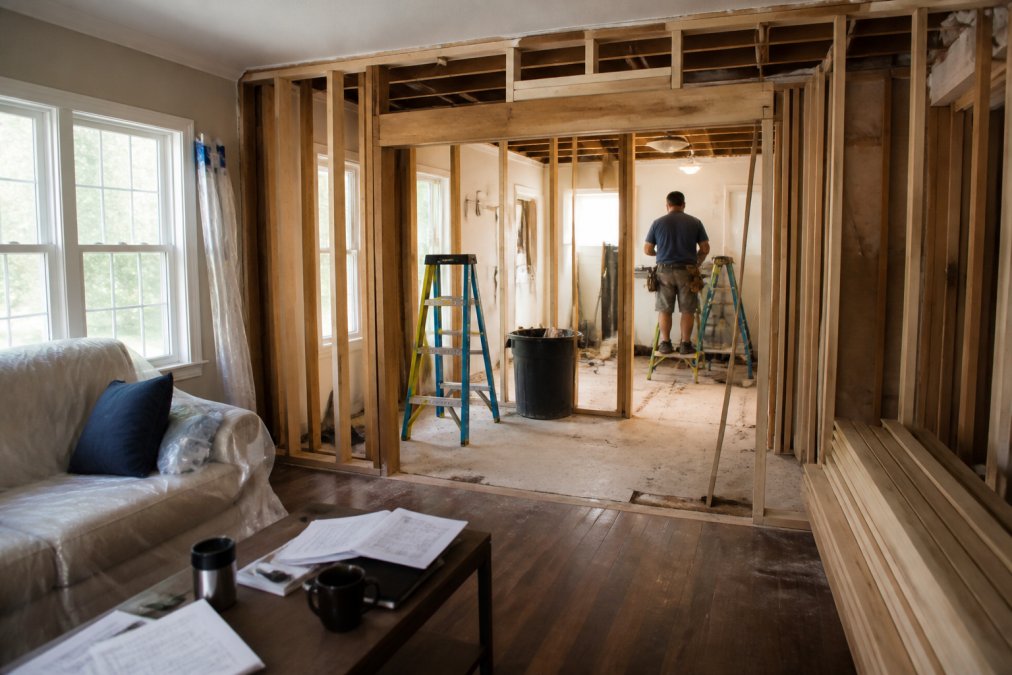
Yes, living during renovation is entirely possible with careful planning and realistic expectations. Many homeowners successfully remain in their homes throughout major structural work. The key difference between a manageable renovation and a chaotic one comes down to preparation, clear zones, proactive dust management, and open communication with your contractor. At Remodeling Pros, we’ve guided countless homeowners through this process using surgical demolition techniques and strategic planning that keeps your home functional while work progresses.
This guide covers everything you need to know about living in your house during major renovation, from creating safe, comfortable spaces away from construction to managing the physical and emotional toll of ongoing work.
Creating a Temporary Living Zone Away from the Work Area
The foundation of successful living during renovation is establishing a dedicated space completely separate from construction activity. Choose the area farthest from the work zone, if your kitchen is being remodeled, set up your temporary living space on the opposite side of the house. The distance reduces dust migration and noise exposure.
Outfit your temporary space with the basics you need daily: comfortable seating, adequate lighting, climate control, entertainment options, phone chargers, snacks, water, medications, and reading materials. The goal is to minimize trips through the construction zone and create a functional retreat where your family can decompress.
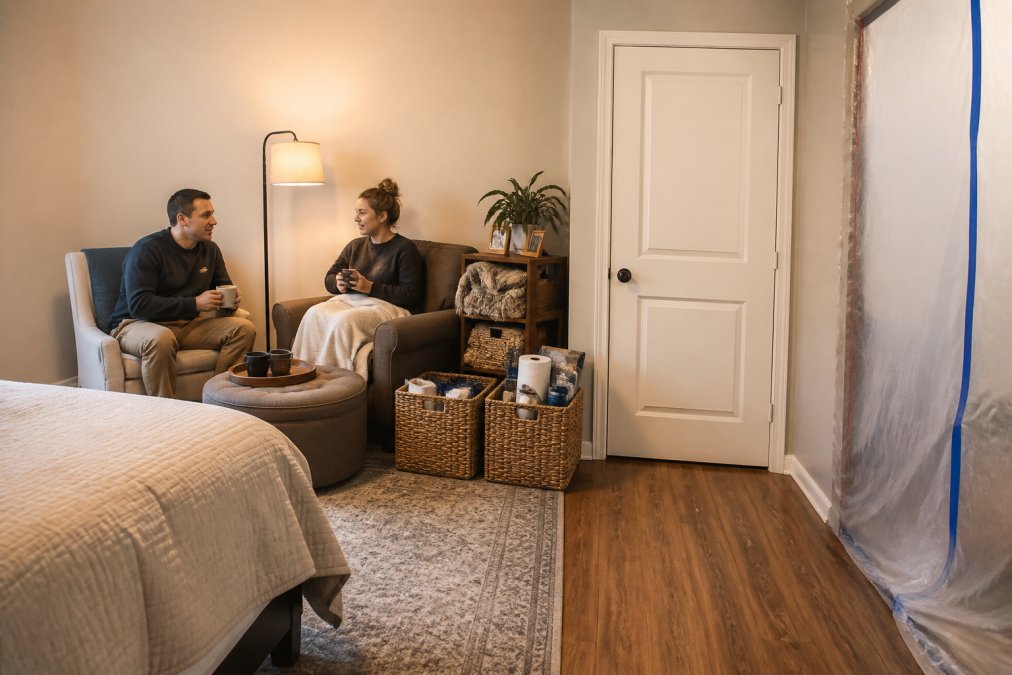
If you have children or pets, this space becomes critical. Kids need a safe area where they can play without exposure to construction hazards. Pets benefit from a calm zone away from strangers, loud equipment, and open access points. Establish clear boundaries with your contractor that this zone is off-limits for materials or equipment storage.
Managing Dust During Construction
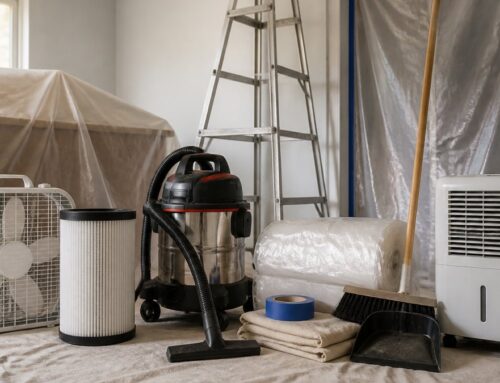
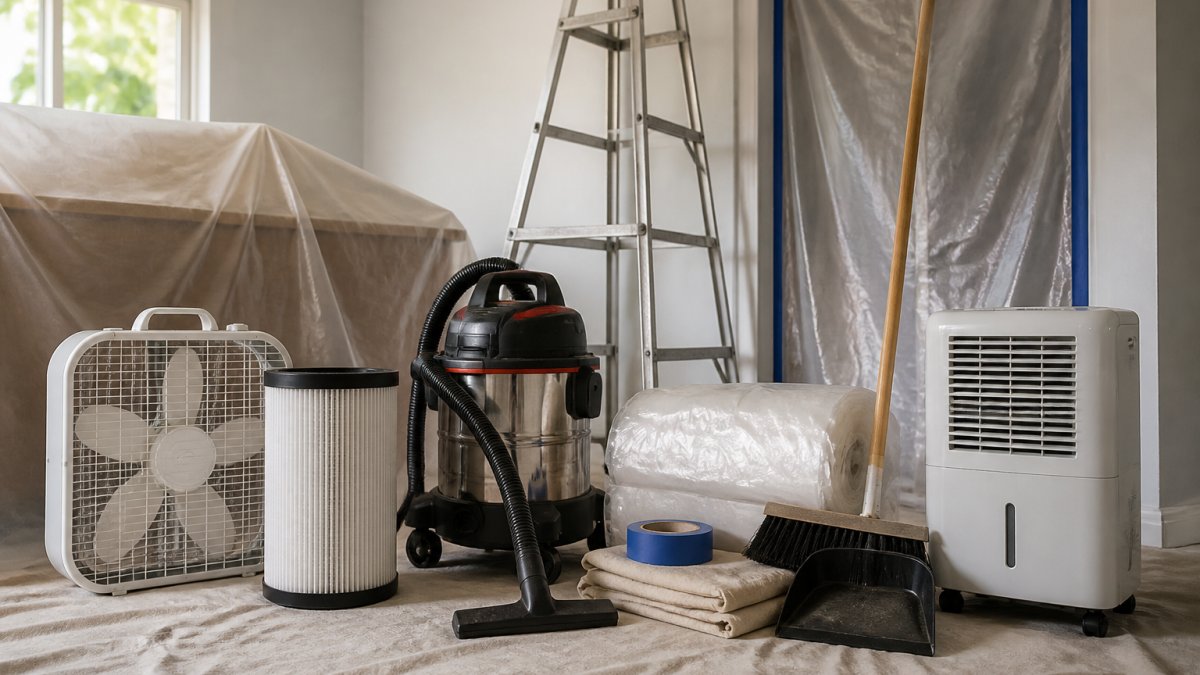
Construction dust is the most pervasive challenge when living during renovation. Seal off the work zone completely using plastic sheeting and painter’s tape, creating an airtight seal around doorways, vents, and openings before work begins.
HEPA filtration equipment works in tandem with physical barriers. A quality HEPA filter unit runs continuously during construction, capturing particles as small as 0.3 microns (the EPA). Position it in your temporary living zone where your family spends time. Seal HVAC returns in the work zone and adjacent areas, construction dust can travel through your home’s air system, spreading contamination far beyond the immediate work area.
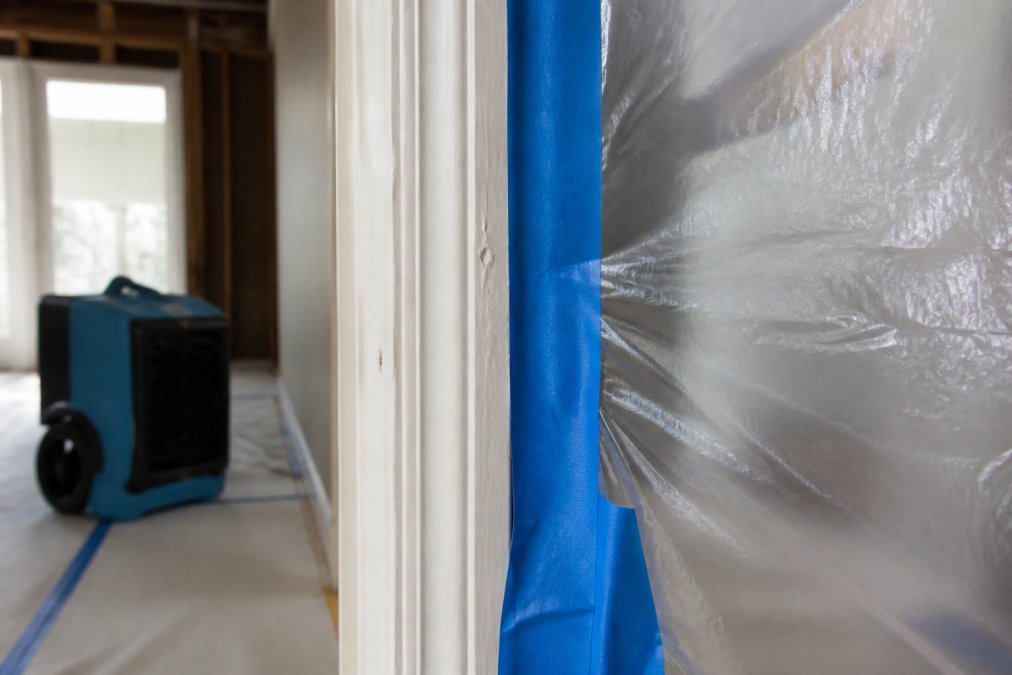
Establish a dust containment protocol with your contractor including dust barriers at doorways, negative pressure systems, and wet-sweeping rather than dry-sweeping. Daily cleaning becomes routine: damp-wipe surfaces in living areas, vacuum with HEPA filters, and change bedding frequently.
Setting Up a Temporary Kitchen Setup for Renovations
If your kitchen is part of the renovation, a functional temporary kitchen becomes essential. Use your secondary kitchen if available, or create a temporary kitchen in an adjacent room using portable appliances.
A quality cooktop or portable induction burner handles most cooking needs. Pair it with a microwave or toaster oven for expanded options. For refrigeration, a compact refrigerator or cooler with ice works temporarily. Set up your temporary kitchen in a room with access to water and electrical outlets, a bathroom or laundry room often works well.
Meal planning changes during renovation. Simple, minimal-prep meals reduce stress and cleanup. Slow cooker meals, sheet pan dinners, and no-cook options become practical choices. Coordinate with your contractor about kitchen access during different phases to understand which areas you can safely use and when.
Understanding Renovation Timeline Expectations
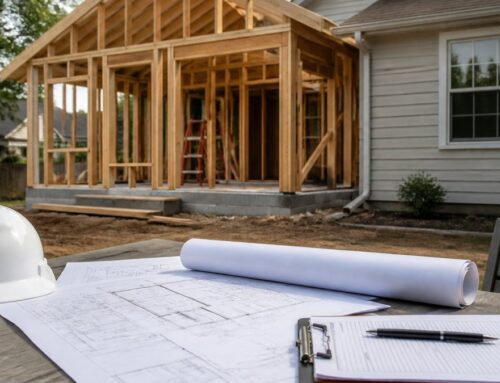
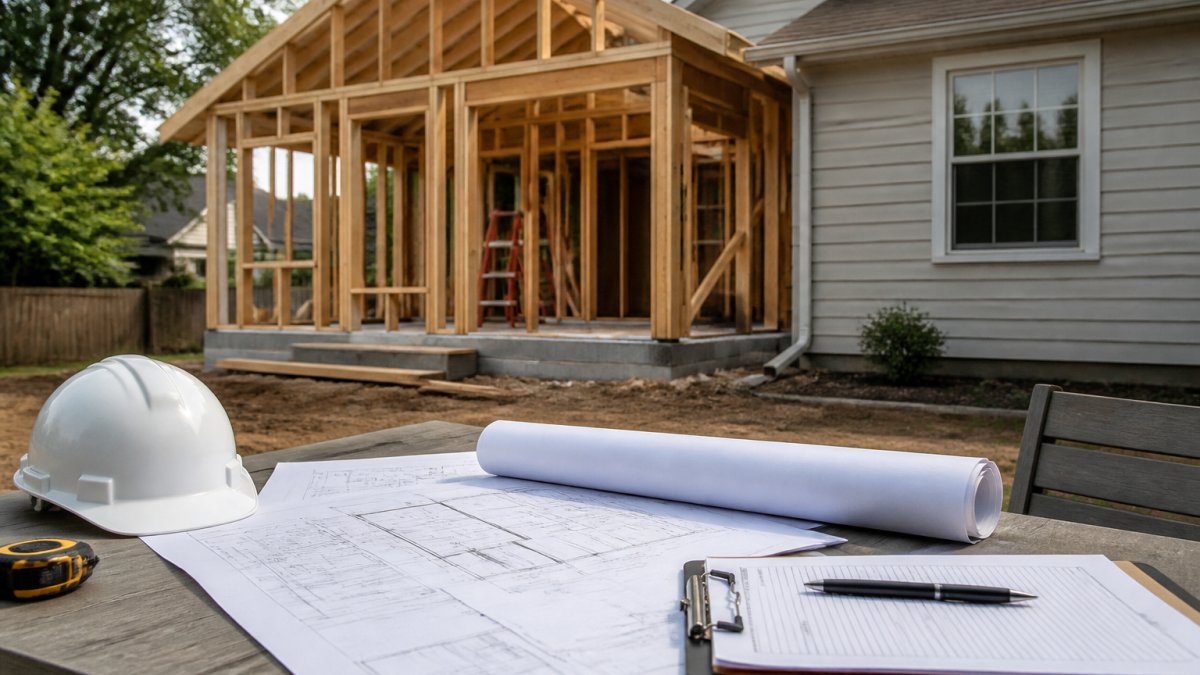
Major structural renovations typically take longer than cosmetic updates. A kitchen remodel might span 6-12 weeks (nahb.org). A whole-home addition or structural renovation often requires 4-6 months or longer (nahb.org). Reality frequently extends timelines due to unexpected structural damage, permit delays, supply chain issues, and weather interruptions.
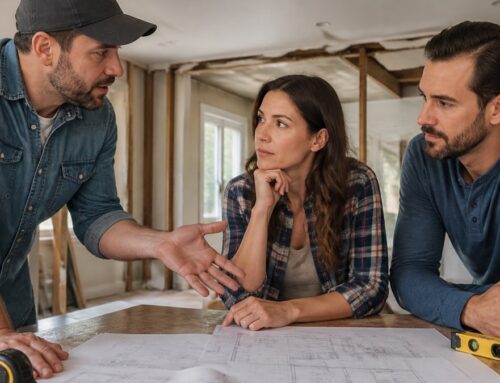
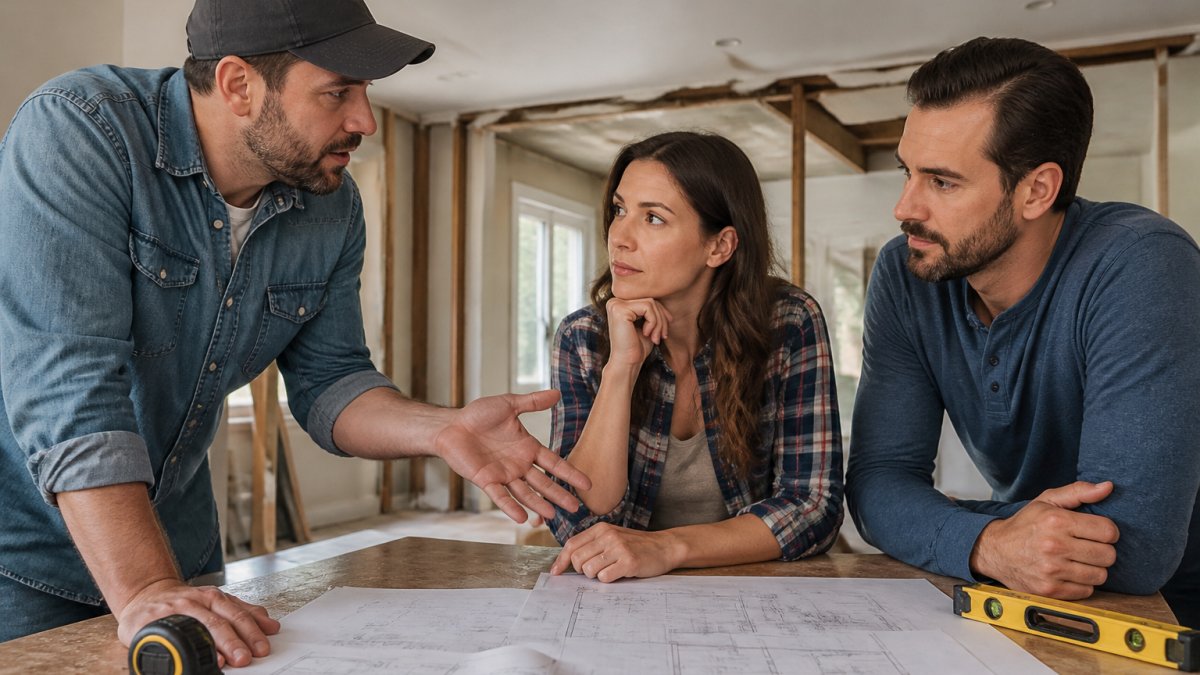
Discuss the detailed timeline with your contractor before work begins, asking for a phase-by-phase breakdown showing what happens each week and when major disruptions occur. Weekly check-ins with your contractor keep you informed about progress and catch problems early. Establish clear expectations about working hours, most contractors work standard business hours, Monday through Friday, giving you predictable recovery time on weekends and evenings.
Safety Protocols for Families and Pets During Construction
Construction sites contain genuine hazards. Establish no-access zones and enforce them strictly using baby gates, locked doors, or physical barriers. Discuss hazardous materials with your contractor before work begins, older homes may contain asbestos, lead paint, or other regulated materials requiring professional abatement.
Create a safety briefing for your family appropriate to their age. Establish protocols for contractor access, discussing how workers enter and exit, whether they use your bathrooms, and where they store materials. Keep first aid supplies accessible and know the location of your electrical panel and water shut-offs.
For pets, the construction zone is particularly stressful. Keep pets in your temporary living zone during working hours and consider additional support like anxiety medication or calming supplements to help them manage stress.
Managing Stress and Maintaining Daily Routines
The psychological impact of living during renovation is real and often underestimated. Maintaining routines provides stability, wake at your normal time, eat meals at regular hours, exercise, and follow bedtime routines. These anchors create normalcy amid chaos.
Establish quiet hours where possible by negotiating with your contractor for early start and end times. Create boundaries between work and home life, your temporary living zone should feel genuinely separate from construction activity. Communicate openly with family members about stress and frustrations through regular check-ins.
Plan activities outside your home regularly. Getting out of the construction zone provides mental relief and breaks the monotony. Consider professional support if stress becomes overwhelming.
Protecting Your Belongings and Furniture
Move valuable items, heirlooms, and irreplaceable belongings out of the renovation zone completely. Cover furniture and items you cannot move with plastic sheeting or drop cloths. Protect electronics from dust exposure by covering them or moving them to your temporary living zone.
Discuss contractor access to your belongings and spaces, making clear which areas are off-limits. Document your home’s condition before work begins with photos of valuable items and finishes. Secure valuables and important documents in a secure location during extended renovation.
Living in your house during major renovation is challenging but entirely manageable with proper planning and realistic expectations. Families who navigate this experience most successfully establish clear zones, control dust proactively, maintain open communication with their contractor, and prioritize their mental health throughout the process.
At Remodeling Pros, we’ve helped homeowners through this exact situation using our exclusive Last Day Breakthrough system and surgical demolition techniques that minimize disruption to your daily life. Our sophisticated 3D design process lets you visualize your completed project before construction begins, and our team coordinates every phase to keep your home as functional as possible while work progresses.
Ready to plan a renovation that works with your lifestyle? Get a quote from Remodeling Pros and discuss how we can minimize disruption while delivering the home upgrade you’re envisioning.
| Challenge | Solution | Expected Outcome |
|---|---|---|
| Construction dust spreading throughout home | Plastic sheeting barriers + HEPA filtration | 80-90% dust reduction in living areas |
| Loss of kitchen functionality | Temporary kitchen setup with portable appliances | Continued meal preparation and family routines |
| Noise and disruption during work hours | Sealed temporary living zone + quiet hours negotiation | Predictable rest periods and reduced stress |
| Uncertainty about timeline | Detailed phase breakdown + weekly check-ins | Clear expectations and reduced anxiety |
| Family stress and disrupted routines | Maintained schedules + regular communication + outside activities | Improved mental health and family stability |
| Contractor access and security concerns | Clear boundaries + access protocols | Maintained sense of home security and control |
Frequently Asked Questions
Can I live in my house while it’s being renovated?
Yes, you can live in your house during major renovation work with proper planning. The key is creating a sealed-off work zone separate from your living areas, controlling dust and debris, and establishing clear communication with your contractor about access and project timelines. Many homeowners successfully maintain their homes during structural remodeling by implementing containment strategies and protecting essential spaces like kitchens and bathrooms.
What’s the best way to set up a temporary kitchen setup for renovations?
A functional temporary kitchen needs a hot plate or portable cooktop, a cooler or mini-fridge, a microwave, and basic supplies in a room away from construction. Keep it stocked with non-perishable foods, paper plates, and cleaning supplies. Position it near a water source if possible, or use bottled water. This setup lets your family maintain normal meal routines without relying on takeout throughout the project.
How do you manage dust during construction?
Dust management requires multiple layers: seal the work zone with plastic sheeting and duct tape, use HEPA filters in HVAC systems, run air purifiers in occupied rooms, and maintain negative air pressure in construction areas. Contractors should use dust containment barriers and vacuum regularly with HEPA-equipped equipment. Damp wiping surfaces and keeping doors closed between zones prevents dust from spreading through your living spaces.
How long can you realistically expect a major renovation to take?
Renovation timelines vary based on project scope, but major structural work typically takes 6-12 weeks or longer. Delays occur due to permit approvals, hidden structural issues, material delivery, and weather. Your contractor should provide a detailed project timeline with milestones and communicate any changes promptly. Building in a 10-15% buffer for unexpected issues helps you plan your temporary living arrangements more realistically.