Last Updated: October 27, 2026
Quick Summary
To vet custom home builders, score each candidate on licensing and insurance, references, workmanship, contract terms, and financial stability using a 1-to-5 scorecard, and treat anything under 35 out of 50 as a hard second look. Then verify the paperwork, walk completed homes and active sites, and compare bids line by line before signing.
- Score each of the five categories from 1 to 5 and add up the total.
- A builder who asks you to pull the permit as an owner-builder shifts legal risk onto you.
- Call references from projects finished at least a year ago and ask about schedules and change orders.
- Confirm each draw is tied to a milestone you can verify on site.
- Check court records, complaint databases, and secretary of state records independently.
Table of Contents
- Vetting Custom Home Builders Starts With a Scorecard
- Check Credentials, Licensing, and Insurance First
- How to Check a Home Builder’s References and Past Clients
- Questions to Ask a Custom Home Builder Before Hiring
- How to Compare Custom Home Builder Bids Line by Line
- What to Look for in a Custom Home Construction Contract
- Financial Stability, Complaints, and Warranty Coverage
- Book a Consultation With Remodeling Pros
- Frequently Asked Questions
Vetting Custom Home Builders Starts With a Scorecard
Most homeowners pick a builder on gut feel and a nice-looking portfolio. That is how people end up with a house that is six months late and full of change-order surprises. When you vet custom home builders the right way, you replace that gut feeling with a scorecard you can actually defend.
Below, we show you how to score a builder, verify the paperwork, and spot risks that a polished sales pitch can hide.
What the Scorecard Should Measure
A builder scorecard is a simple scoring sheet that rates each candidate on the things that predict a good outcome. Score each category from 1 to 5, then add up the total. Anything under 35 out of 50 deserves a hard second look.
| Category | What You Score | Weight |
|---|---|---|
| Licensing and insurance | Current license, active coverage, clean record | 10 |
| References and past clients | Reachable clients, honest feedback | 10 |
| Workmanship | What you see in finished homes and active sites | 10 |
| Contract and payment terms | Clear scope, fair draws, change-order rules | 10 |
| Financial stability and warranty | Complaint history, warranty in writing | 10 |
A common mistake is scoring only the design. Pretty drawings do not build houses. The paperwork and the people do.
Check Credentials, Licensing, and Insurance First
Start with the boring paperwork, because it filters out problems fast. Check the applicable licensing, insurance, and permitting requirements for your project.
Here is what to confirm:
- License status. Look up the contractor’s license on your state’s licensing board site and confirm it is active, not suspended.
- General liability insurance. Ask for a certificate of insurance and call the insurer to confirm it is current.
- Workers’ compensation. If the builder has employees, this coverage should be active. Ask for proof.
- Permits. A legitimate builder pulls permits in their own name, not yours.
Watch out: a builder who asks you to pull the permit as an “owner-builder” is shifting legal risk onto you. That is a red flag worth walking away from.
For a deeper walkthrough of how to verify coverage is real and current, read how to verify contractor insurance in Florida.
How to Check a Home Builder’s References and Past Clients
To check a home builder’s references, consider calling clients from projects finished at least a year ago.
Ask these questions when you call:
- Did the builder stay on schedule? If not, why?
- How were change orders handled?
- How quickly did they respond to problems after move-in?
- Would you hire them again?
Ask for references and check online reviews, including how a company responds to negative reviews.
Walk Completed Homes and Visit Active Job Sites
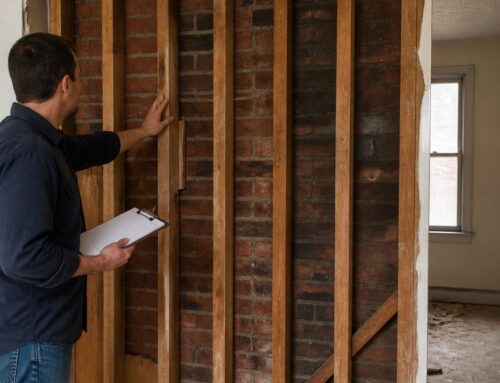
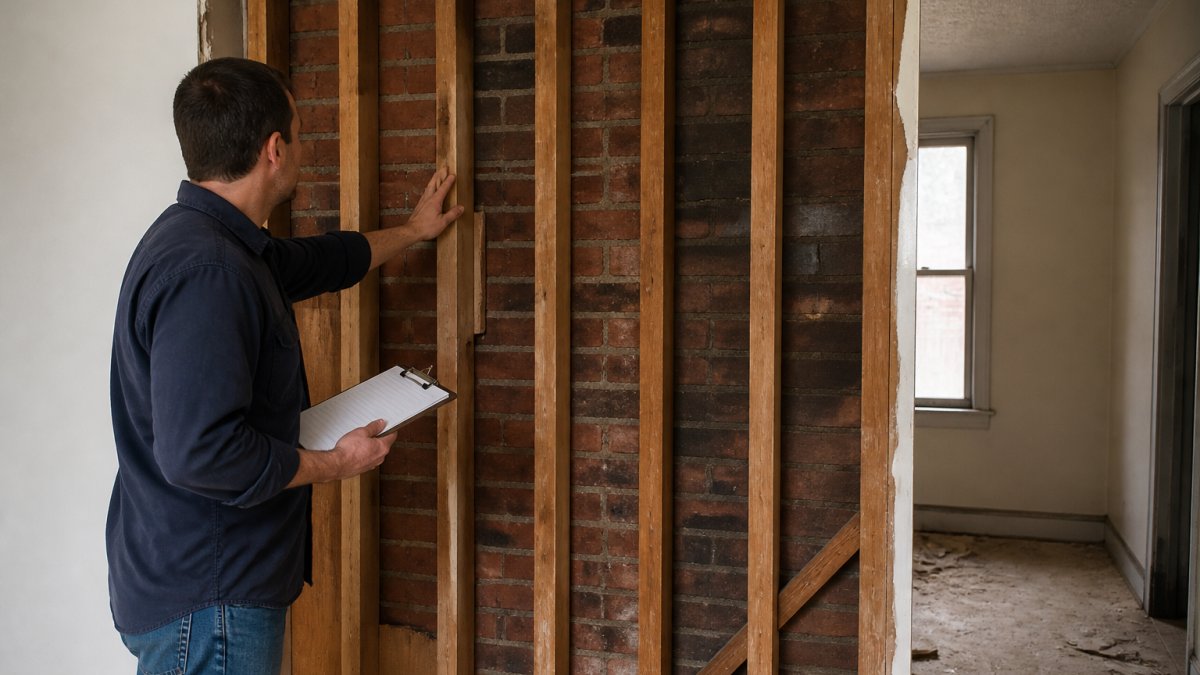
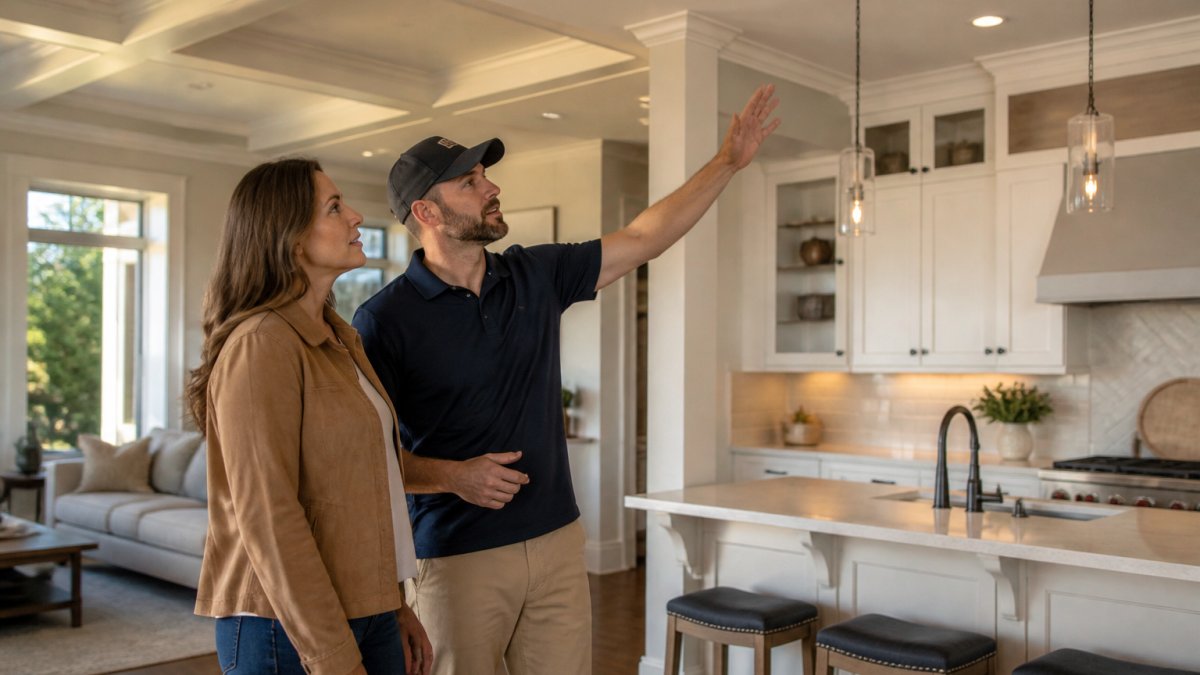
A finished home can help you assess workmanship, and an active job site can offer a view of the work in progress.
On a completed home, you can look at details such as trimwork, cabinetry fit, paint lines, carpeting seams, and how doors close. On an active site, you can observe housekeeping and safety. A site visit can provide a snapshot of the work.
Questions to Ask a Custom Home Builder Before Hiring
These are questions to ask a custom home builder. Ask them in person and write down the answers.
- Who is my main point of contact, and how fast do you respond?
- Who are your subcontractors, and how long have you worked with them?
- How do you handle change orders and cost overruns?
- What is your realistic timeline, and what could delay it?
- What does your warranty cover, and for how long?
- Can I see a recent project’s drawings next to the finished home?
Consider the answers and whether they are consistent. Vague answers on change orders and timelines may warrant follow-up questions. For more proven questions to use during interviews, see 5 best questions to ask a remodeling contractor.
How to Compare Custom Home Builder Bids Line by Line
When comparing bids, review the scope as well as the total price.
Look for these gaps:
- Allowances. Review the cabinetry or flooring allowance and clarify how it is handled if selections exceed it.
- Exclusions. What is left out? Permits, landscaping, cleanup?
- Contingency. Is there a buffer for surprises, and who controls it?
- Timeline. Does the bid include a schedule with milestones?
Put two bids side by side and compare line by line. Compare the scope and terms of each bid, not only its total.
What to Look for in a Custom Home Construction Contract
A custom home construction contract is a written agreement. Review its terms before signing.
Scope, Drawings, and Exclusions
Confirm the contract incorporates the full set of drawings and specifications by reference, including the version and date. Then read the exclusions list as carefully as the inclusions. Common exclusions that surprise homeowners include permits, site work and grading, landscaping, cleanup, and utility connections. If it is not in the scope, it is not in the price.
Allowances: The Hidden Budget Lever
Allowances are placeholder dollar amounts for items not yet selected, cabinetry, flooring, tile, lighting, appliances. A bid with low allowances may not reflect the eventual cost of selected items. For each allowance, confirm:
- The dollar amount and the unit it covers (per square foot, per linear foot, per item).
- What happens if you exceed the allowance, is there a markup, and at what rate?
- Whether unused allowance dollars are credited back to you or retained by the builder.
Compare the cabinetry allowance with the selections covered by the contract and clarify how any difference is handled.
Payment Schedules and Draw Schedules
Review the payment schedule and consider whether draws are tied to verifiable work milestones. Check that:
- Each draw is tied to a milestone you can verify on site.
- The builder provides lien waivers from subs and suppliers with each draw.
- A meaningful final payment is held until punch-list items are complete.
- The schedule does not front-load payments ahead of work performed.
Review the draw schedule carefully before signing.
Change-Order Procedures
Review how the contract handles change orders, including whether it specifies the price and schedule impact before changed work begins. Confirm:
- The markup rate applied to change-order labor and materials.
- Whether a change order can be issued verbally and confirmed later (it should not be).
- How schedule delays caused by change orders are handled.
Escalation Clauses and Contingency
If the contract includes an escalation clause, review which materials it covers and how any price changes are documented. Separately, confirm whether the contract includes a contingency buffer, who controls it, and how unused contingency is handled at closeout.
Timeline, Completion, and Dispute Terms
Review the contract’s schedule, any stated remedies, and its dispute-resolution terms before signing.
For a deeper walkthrough of contract terms before you sign, read custom home construction contract: what to look for.
Financial Stability, Complaints, and Warranty Coverage
Financial and legal due diligence can be part of evaluating a builder. Consider reviewing information independently as well as considering the builder’s assurances and materials.
Verify Complaints and Legal History Independently
Check the relevant licensing authority’s records, including any available complaint or disciplinary information.
Then widen the search:
- Court records. Search the county clerk’s civil index in the counties where the builder works for contract disputes, construction-defect suits, and mechanics’ liens filed against the company.
- Consumer complaint databases. Check the state attorney general’s consumer complaint portal and the Better Business Bureau; read the complaint narratives and the company’s responses, not just the letter grade.
- Secretary of state business records. Confirm the entity is in good standing, that the name on the contract matches the licensed entity, and how long it has operated under that name.
- Liens on completed projects. Ask the builder for a lien release from the most recent project and confirm subcontractors were paid. A pattern of mechanics’ liens on finished homes signals cash-flow trouble.
Consider any available lien-release and licensing information as part of your evaluation.
Read the Financial Warning Signs
You can ask questions about a builder’s operations:
- Workload. Ask how many active projects the builder is running and who supervises each one.
- Subcontractor relationships. Ask how long the builder has worked with its subcontractors.
- Upfront cash demands. Ask how the deposit and draw schedule relate to the work and project milestones.
- Insurance lapses. Ask for information about the builder’s insurance coverage and its expiration date.
Get the Warranty in Writing and Compare Terms
If a warranty is offered, review its terms and compare candidates on these points:
- Coverage length by component. Review the stated coverage terms for each component.
- Exclusions. Look for exclusions for ‘normal settlement,’ ‘owner-supplied materials,’ and ‘maintenance items’ that can swallow most claims.
- Response times. What is the stated response window for a warranty call, and is it in writing?
- Transferability. If you sell the home, check whether the warranty transfers to the buyer.
- Claim process. Who do you call, in what form, and what is the escalation path if the builder does not respond?
Consider financial and warranty information alongside design. Review any available complaint information, payment practices, and written warranty terms.
For a checklist of behaviors that should end the conversation, read 7 red flags when hiring a home addition contractor.
Book a Consultation With Remodeling Pros
At Remodeling Pros, we help homeowners plan structural remodels and additions. Our process is designed to let homeowners maintain use of their property during construction.
Our Last Day Breakthrough approach keeps your original structure intact until the final stage. Our 3D design lets you visualize the project before construction, and our team offers guidance on upgrades that add value to a home.
Get a quote from Remodeling Pros.
Frequently Asked Questions
What documents should I verify before hiring a custom home builder?
Consider asking about applicable licensing and insurance information and checking relevant business records. Review the contract’s scope, drawings, allowances, payment terms, and change-order process before signing.
What are red flags when vetting custom home builders?
Consider asking questions about deposits, allowances, scope, signing deadlines, references, site visits, and how bids differ. Clarify any terms or practices you do not understand before committing.
How do I know whether a custom home builder is financially stable?
You can review available business records and ask about payment practices, insurance information, and supplier accounts. Consider whether the answers address your questions.
How long does it take to vet and choose a custom home builder?
The time needed to vet and choose a builder depends on the project and the steps involved. Allow time to gather bids, check references, visit projects where possible, and review the contract. Consider seeking legal advice if you have questions about contract terms.