Table of Contents
- Quick Comparison: Top General Contractors in Jacksonville
- Remodeling Pros: Best for Structural Remodels and Home Additions
- Evans General Contractors: Commercial Construction Focus
- CenterBeam Construction and AP Advanced Construction: Licensed Residential Options
- Thumbtack and HomeGuide: Marketplaces for Comparing Local Contractors
- How to Interview a General Contractor: Questions That Reveal the Real Story
- Florida Construction License Verification: A Step-by-Step Check
- Residential Remodeling Contract Checklist: What Must Be in Writing
- Frequently Asked Questions
Last Updated: September 28, 2026
Quick Comparison: Top General Contractors in Jacksonville
Hiring general contractor options in Jacksonville starts with knowing who actually fits your project. The right firm depends on whether you need structural residential work, a commercial build, or a marketplace to compare bids. This guide from Remodeling Pros breaks down the strongest local options, then walks through the vetting steps most homeowners skip.
Here’s the short version before the detail:
| Contractor | Best For | Type | Starting Point |
|---|---|---|---|
| Remodeling Pros | Structural remodels and home additions | Residential design-build | Free quote |
| Evans General Contractors | Commercial and industrial projects | Commercial GC | Contact for pricing |
| CenterBeam Construction | Licensed residential remodeling | Residential GC | Contact for pricing |
| AP Advanced Construction | Local residential construction | Residential GC | Contact for pricing |
| Thumbtack | Comparing multiple quotes | Marketplace | Free to browse |
| HomeGuide | Researching reputations and costs | Directory | Free to browse |
The difference between a smooth renovation and a nightmare usually comes down to one thing: how carefully you vetted the contractor before signing. Below, we’ll show you exactly how to interview candidates, verify a license, and read a contract before you commit a dollar.
Remodeling Pros: Best for Structural Remodels and Home Additions
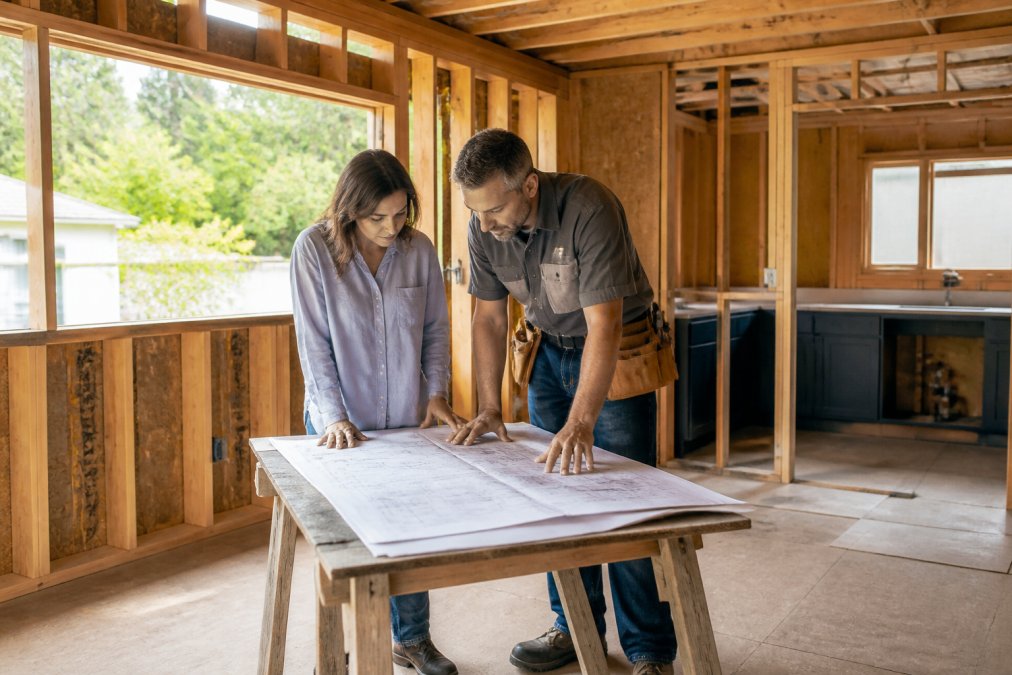
Remodeling Pros is the top pick for homeowners planning structural work while staying in their home. Established in 1998, the firm specializes in residential structural remodeling and home additions across Northeast Florida.
What sets them apart is the Last Day Breakthrough system. The original structure stays intact until the final moment, so families keep full use of their property throughout construction. Sophisticated 3D rendering lets you see the finished space before demolition starts, and surgical demolition techniques keep disruption low.
Their team also advises on which upgrades actually add value, which matters when you’re weighing a kitchen remodel against an addition. Real clients describe the process as “professional all the way,” with quick, thorough answers to questions throughout.
Homeowners in Northeast Florida planning structural renovations or additions who want to remain in their home during construction.
Evans General Contractors: Commercial Construction Focus
If your project involves site development, structural repairs at scale, or a turnkey commercial build, Evans is worth a conversation.
CenterBeam Construction and AP Advanced Construction: Licensed Residential Options
A word of caution: availability at both firms shifts with current project load. Reach out early, and confirm licensing and insurance before you sign anything. The vetting checklist later in this guide applies to both.
Thumbtack and HomeGuide: Marketplaces for Comparing Local Contractors
Marketplace platforms are useful for one narrow job: building a shortlist fast. They are not a substitute for vetting, and they are not where you should decide who gets the contract. Here is how to use them without getting burned.
Thumbtack is a platform where you can post a project, receive bids from local contractors, and compare pricing and availability side by side. The upside is speed and volume. The downside is that quality varies widely, and the platform’s ranking favors responsiveness and review count, not necessarily fit for structural or specialty work.
HomeGuide functions more like a research directory. It curates local contractors and publishes cost guides. Listings are not exhaustive, and inclusion is not an endorsement. Treat it as a starting point for names and ballpark numbers, not a verified roster.
A practical workflow looks like this:
- Post your project on one marketplace to collect three to five bids.
- Pull two or three additional names from a directory to widen the pool.
- Cross-check every name against the state licensing database before you call.
- Ask each shortlisted contractor for a written scope and a milestone-based payment schedule.
- Compare bids on scope, not just total price. A low bid that excludes permits or demolition is not a low bid.
Marketplace ratings reflect volume and responsiveness, not fit. A contractor with hundreds of reviews may still be wrong for structural work. Verify licensing, insurance, and bonding independently before you sign anything.
One more caution: some marketplaces sell leads to multiple contractors, which means the same project may generate a flurry of calls within an hour. That is normal, but it also means the first person to respond is not necessarily the best qualified. Slow down and run the vetting steps below before you commit.
How to Interview a General Contractor: Questions That Reveal the Real Story
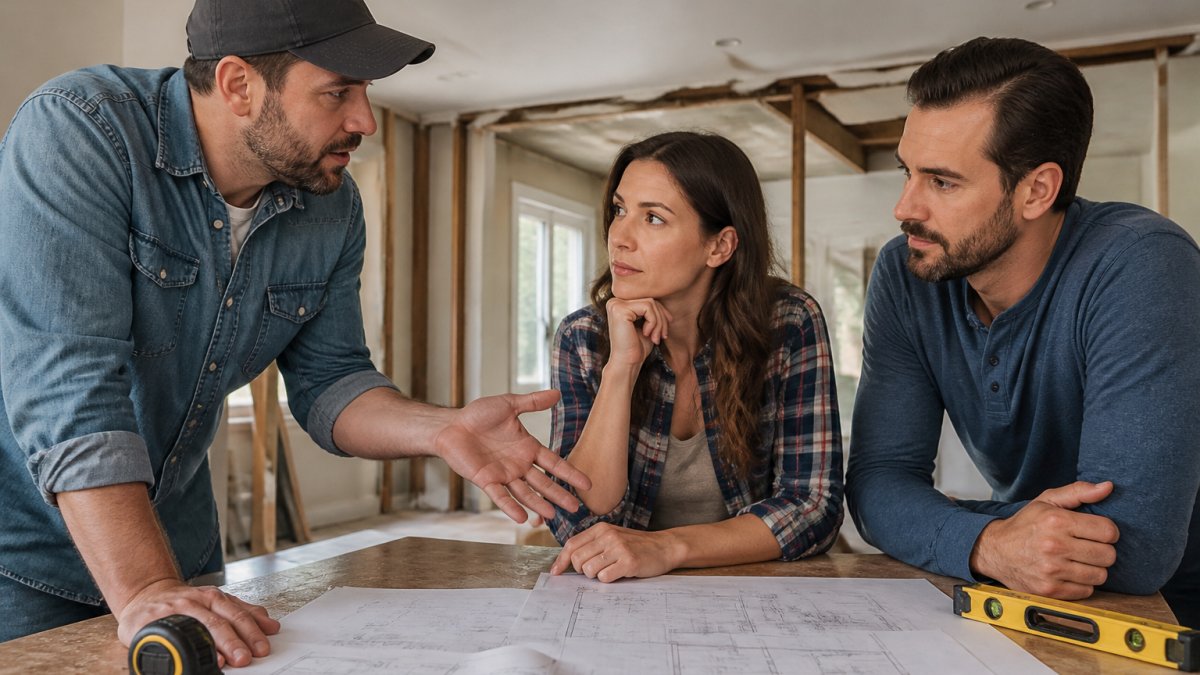
The best way to interview a general contractor is to ask about process, not promises. Anyone can claim quality craftsmanship. Fewer can explain how they handle change orders, subcontractors, and delays. The goal of the interview is to find out whether this person has done your type of project before, in this market, and can prove it.
Ask these questions in your first meeting, and listen for specifics rather than reassurance:
- Who pulls the building permits, and who pays for them? In most jurisdictions, the contractor should pull permits and show you the paperwork. If the answer is vague, that is a red flag. Permit fees are typically passed through to the homeowner, so ask for a line item.
- Which subcontractors will you use, and are they licensed? You want names and license numbers, not “we have a guy.” Subcontractor licensing matters because an unlicensed sub can expose you to liability.
- How do you handle change orders and unexpected structural issues? You want a written process with written approval before work continues. Verbal change orders are how budgets blow up.
- What does your payment schedule look like? Payments should be tied to completed milestones, not to calendar dates. A large deposit before work begins is a warning sign.
- Can I see three recent projects similar to mine? Ask for references you can actually call, and ask those references whether the project finished on time and on budget.
- What is your estimated timeline, and what could delay it? A realistic answer will mention permitting, inspections, material lead times, and weather. A contractor who promises a fixed date with no caveats is guessing.
- How do you handle disputes? Look for a written dispute-resolution clause and a clear punch-list procedure.
A common mistake is treating the interview as a sales pitch. Flip it. You are evaluating whether this person communicates clearly and answers hard questions without dodging. If they cannot explain their process in plain language, they will not manage your project well.
Bring a written list of questions and take notes. Contractors who are organized will appreciate it, and contractors who are not will reveal themselves quickly.
One more thing: ask for the contractor’s license number and insurance certificate before the meeting ends. A legitimate contractor will have both ready. If they hesitate, that hesitation is your answer.
Florida Construction License Verification: A Step-by-Step Check
Verifying a contractor’s license takes about ten minutes and prevents the most expensive mistakes. Florida requires general contractors to hold a state or local license, and you can confirm it directly.
Follow these steps:
- Go to the state licensing database and search by the contractor’s name or license number.
- Confirm the license status is “Current, Active.”
- Check the license type matches your project scope.
- Review any complaint history or disciplinary actions.
- Ask the contractor for a certificate of insurance and confirm it’s current.
As documented in Florida DBPR licensing resources, hiring an unlicensed contractor can leave you responsible for injuries and substandard work.
Residential Remodeling Contract Checklist: What Must Be in Writing
Use this checklist to vet every contract:
- Full legal names and license numbers of all parties
- Detailed scope of work, including materials and finishes
- Total price and a milestone-based payment schedule
- Start date and estimated completion date
- Process for change orders, with written approval required
- Who is responsible for permits and inspections
- Warranty terms and a punch-list procedure
- Cancellation and dispute-resolution clauses
Never pay more than a modest deposit up front, and never pay in cash without a receipt. Legitimate contractors tie payments to completed milestones, not to the calendar.
If a contractor resists putting details in writing, that resistance tells you everything. Walk away.
Frequently Asked Questions
How much does a general contractor charge per hour in Jacksonville?
Most Jacksonville general contractors price by project rather than hourly, with rates varying by scope, materials, and site conditions. Some firms quote an hourly rate for small repairs or consulting, but structural remodels and additions are typically handled on a fixed or cost-plus contract. Ask each contractor to explain their pricing model in writing and confirm what is included before signing.
How do I verify a contractor’s insurance and bond status in Florida?
Request a current certificate of insurance showing general liability and workers’ compensation coverage, then call the insurer to confirm the policy is active. For bonding, ask for the bond number and the issuing surety company. Florida construction license verification through the state licensing database will also show whether a qualifying agent is attached to the license and whether any complaints or disciplinary actions are on record.
What should be included in a residential remodeling contract checklist?
A solid residential remodeling contract checklist covers the full scope of work, itemized materials and finishes, a payment schedule tied to milestones, the project timeline with start and completion dates, change-order procedures, permit responsibilities, warranty terms, and a dispute resolution clause. Florida law also requires specific notice language for residential improvement contracts, so read every page before signing.
What is the typical payment schedule for a home addition project?
Most home addition projects use a milestone-based schedule: a deposit at signing, then draws tied to completed phases such as foundation, framing, roofing, and final inspection. Avoid paying large sums upfront or in cash. Florida law limits the deposit a contractor can collect before pulling permits, so confirm the schedule matches state requirements and never pay for work that has not been completed and inspected.