Table of Contents
- Why These 5 Questions Matter Before Hiring
- Question 1: Are You Licensed, Bonded, and Insured?
- Question 2: Can You Show Me Remodeling Contractor References and Past Projects?
- Question 3: What Questions Should I Ask About a Remodeling Project Timeline?
- Question 4: What’s Included in Your Written Estimate and Scope of Work?
- Question 5: How Do You Handle Change Orders and Payment Schedules?
- Additional Remodeling Contractor Interview Questions to Consider
- Preparing Your Homeowner Comparison Framework
- Frequently Asked Questions
Last Updated: October 10, 2026
Why These 5 Questions Matter Before Hiring
Choosing a remodeling contractor is one of the biggest decisions a homeowner makes, which is why knowing the 5 best questions to ask a remodeling contractor matters so much. The wrong choice can derail your project and drain your budget; the right contractor delivers quality work on time and on budget.
Most homeowners focus on price first and credentials second, asking about cost before verifying licensing. This backwards approach leads to disaster.
The 5 best questions to ask a remodeling contractor aren’t about getting the cheapest bid. They’re about finding someone who delivers quality work, communicates clearly, and handles your project professionally from start to finish.
Question 1: Are You Licensed, Bonded, and Insured?
A licensed, bonded, and insured contractor has met legal requirements, maintains financial protection, and carries liability coverage. Licensed means they’ve passed required exams and meet state and local standards. Bonded means they’ve posted a financial guarantee if they fail to complete work or violate contract terms. Insured means they carry liability and workers’ compensation coverage.

How to Verify Credentials
Verify everything independently. Ask for the license number and check it with your state’s licensing board or local building department, call directly, don’t rely on contractor-provided websites. Request proof of current liability insurance and workers’ compensation coverage, and confirm directly with the insurance company. For bonding, ask which company issued the bond and verify it with them. A reputable contractor has documentation ready; hesitation or defensive responses are red flags.
Question 2: Can You Show Me Remodeling Contractor References and Past Projects?
References and past projects show how a contractor actually performs. A strong portfolio includes photos of completed work in your project type; references should be recent clients (ideally from the last 2-3 years) willing to discuss their experience honestly.
What to Look For in Project Examples
Look for quality of workmanship, attention to detail, and projects similar in scope to yours. Call references and ask: Did they finish on time? Stay within budget? How was communication? Would you hire them again? Listen for hesitation or vague answers. Visit completed projects in person if possible to verify work quality matches photos.
Question 3: What Questions Should I Ask About a Remodeling Project Timeline?
Ask for a detailed project timeline that breaks construction into phases with specific milestones: start date, completion dates for major phases (framing, electrical, plumbing, finishes), and expected finish date. A professional contractor provides this in writing, not verbally.
Understanding Construction Stages and Contingencies
A realistic timeline accounts for inspections, permit approvals, material delivery, weather delays, and unexpected discoveries. Ask what happens if inspections fail or permits take longer than expected, and what contingencies are built in. Ask whether you’ll be able to occupy your home during work or if certain areas will be off-limits.
Living-in-Home Logistics and Site Protection
Ask about dust and debris control (plastic sheeting, negative air pressure, HEPA filtration), which areas will be off-limits and when, working hours and noise levels, parking and material storage, cleanup frequency and protection of your belongings, and how they’ll manage pets and household disruptions. These practical details prevent surprises if you’re staying home during construction.
A contractor experienced in keeping homeowners comfortable during construction answers these questions thoroughly. If they seem annoyed or dismiss these questions as minor, they prioritize speed over your comfort.
Question 4: What’s Included in Your Written Estimate and Scope of Work?
A written estimate is your protection. It should list every item (labor, materials, fixtures, finishes, permits, inspections), specify brands and models of appliances or fixtures, and state the payment schedule and deposit due dates.
Identifying Red Flags in Estimates
Red flags include vague line items like “miscellaneous” or “contingency,” estimates significantly lower than others, and unspecified materials or finishes. Ask the contractor to explain every line item. Compare estimates from multiple contractors, but don’t choose based on price alone, the cheapest bid often reflects lower quality or hidden costs.
Question 5: How Do You Handle Change Orders and Payment Schedules?
Change orders are modifications to the original scope of work. How a contractor handles them determines whether your project stays on budget or spirals into cost overruns.
Understanding Payment Structures and Deposit Guardrails
Ask what the standard deposit is. Industry practice ranges from 10% to 25% of total project cost; never pay more than 25% upfront. Deposits above 50% are a red flag. Understand what the deposit covers and whether it’s refundable if the contractor fails to start work. Never pay the full amount upfront or for work not yet completed.
Milestone-Based Payment and Progress Draws
Progress payments (“draws”) should be tied to completion of specific milestones, not vague percentages. Ask the contractor to specify what “completion” means for each milestone and whether rework costs are their responsibility if work fails inspection. Request photos or site inspections before each payment is due.
Allowances and Selections
Many remodeling contracts include “allowances”, a set dollar amount for items like flooring, countertops, fixtures, or paint. The contractor budgets this amount, but you choose the specific product within that budget.
Ask the contractor to specify which items have allowances and what those amounts are. If you select something that costs more than the allowance, you pay the difference. If you select something cheaper, you get a credit (or the contractor keeps it, depending on the contract). Get this in writing so there’s no confusion later.
For example, a kitchen remodel might include a $3,000 countertop allowance. If you choose quartz at $4,500, you pay the $1,500 difference. If you choose laminate at $1,500, you save $1,500 (or credit it toward other upgrades).
Change Order Process and Documentation
A contractor should have a formal change order process. Changes should be documented in writing with new costs and timeline impacts. This protects both you and the contractor.
Ask the contractor to walk you through their change order process. When you request a change, does the contractor provide a written estimate for the change before proceeding?
Request that the contractor not proceed with any change until you’ve signed a written change order. Verbal agreements about changes lead to disputes.
Ask how the contractor handles unexpected discoveries. During demolition or framing, contractors sometimes find structural damage, outdated wiring, plumbing issues, or pest damage that wasn’t visible before. How will the contractor notify you?
A professional contractor will not proceed with unexpected work without your approval and a signed change order. If they do, you can dispute the charge.
Cost Overrun Policies and Dispute Resolution
Ask the contractor what happens if the project costs more than the estimate. Is there a cap on cost overruns without your approval?
Understand the difference between a change order (you requested a change) and a cost overrun (the contractor underestimated). If the contractor underestimated labor or materials, that’s their responsibility, not yours. If you requested changes, those are your responsibility.
Ask how disputes about costs are handled. If you disagree about whether a charge is legitimate, what’s the process? Does the contractor have a dispute resolution process? Will they agree to mediation if a disagreement arises?
Get the complete payment schedule and change order policy in writing before signing the contract. This is your protection against surprise bills and scope creep.
Additional Remodeling Contractor Interview Questions to Consider
Beyond the core five questions, dig deeper into how the contractor operates and manages projects.
Ask about subcontractors. Who handles electrical, plumbing, HVAC? Are they licensed and insured? Ask about project management. Will the same person oversee your project from start to finish, or will you work with multiple people? Consistency matters for communication and quality control.
Ask about warranties. What does the contractor warranty on labor? What do manufacturers warranty on materials? Get this in writing. Ask about the contractor’s experience with your specific project type. A contractor experienced in kitchen remodels might not be experienced in structural additions.
Project-Specific Questions by Renovation Type
Different projects raise different concerns. For kitchen remodels, ask about appliance selection, countertop options, and layout changes. For bathroom remodels, ask about waterproofing, tile selection, and ventilation. For home additions, ask about foundation work, structural engineering, and how the addition integrates with existing systems.
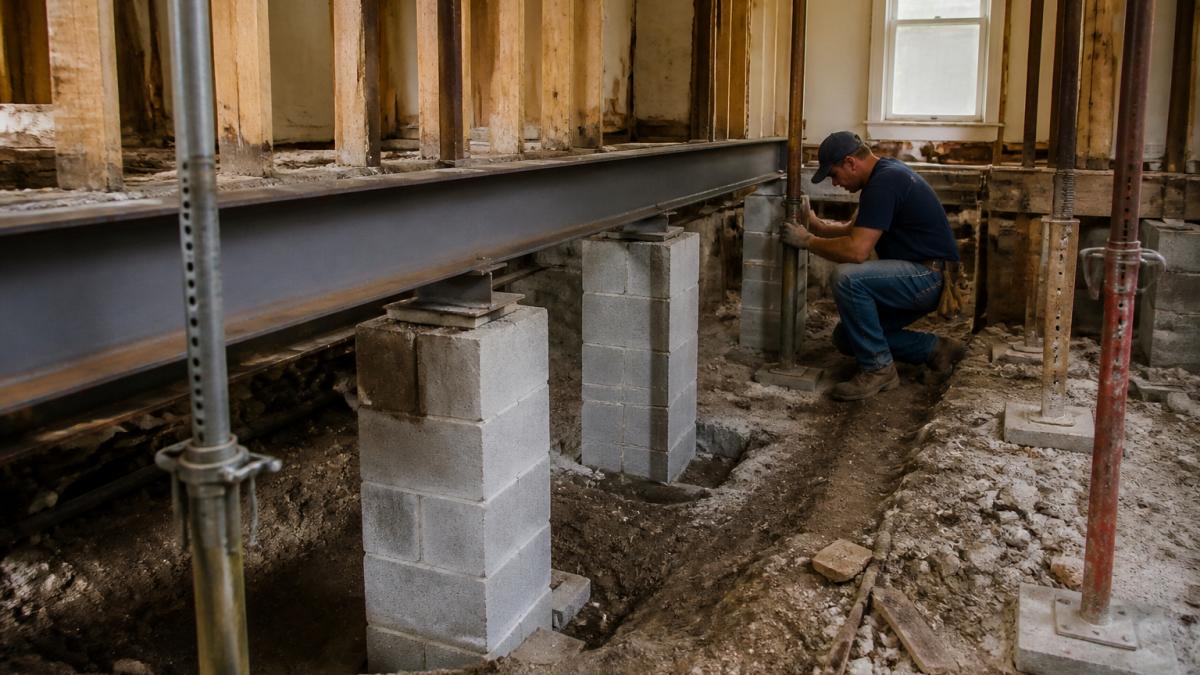
For structural remodeling, additions, major renovations, or work affecting the home’s structure, ask about engineering and design. How will the contractor ensure the addition or renovation integrates properly with your existing home? Will they use 3D design or rendering to show you the finished project before construction starts? This is especially important for complex projects where visualization prevents costly mistakes.
Red Flags and Verification Steps
Beyond the standard questions, watch for red flags that indicate a contractor to avoid. Pressure to sign a contract immediately or pay a large deposit upfront suggests they prioritize cash flow over quality. Reluctance to provide references or show past work is a major warning sign. Unwillingness to put terms in writing means they’re avoiding accountability.
Verify everything independently. Check licensing status directly with the state board. Call insurance companies to confirm coverage. Reach out to references and ask detailed questions. Search online reviews, but remember that both extremely positive and extremely negative reviews can be biased. Look for patterns in feedback across multiple sources.
A contractor who becomes defensive when you ask questions is showing you how they’ll handle disputes during your project. A professional contractor welcomes questions and answers them thoroughly.
Preparing Your Homeowner Comparison Framework
After interviewing contractors, create a comparison framework to evaluate your options objectively.
List each contractor and score them on the five key questions plus additional criteria important to your project. Rate licensing and insurance verification (complete or incomplete). Rate reference quality (how thoroughly they answered your questions).
Add criteria specific to your project. For structural work, rate their design capabilities, experience with similar projects, and approach to keeping your home livable during construction.
Weight these criteria by importance. If you’re staying in your home during construction, the contractor’s ability to manage that should carry heavy weight.
This framework prevents you from choosing based on a single factor like the lowest price. It forces you to consider all the dimensions that affect project success.
Asking the right questions before hiring a remodeling contractor takes time, but it’s the best investment you can make in your project.
Frequently Asked Questions
What should I ask before signing a remodeling contract?
Before signing, confirm the contractor’s license number and insurance coverage limits, request a detailed written scope of work that lists all materials and labor, verify the payment schedule and deposit amount, understand the project timeline with start and completion dates, clarify how change orders will be handled, and ask about warranty coverage on workmanship. Request references from recent projects similar to yours and verify them directly.
How can I verify a remodeling contractor’s references and past projects?
Ask for at least three recent client references from projects similar in scope to yours. Contact them directly to ask about the contractor’s communication, adherence to timeline, quality of workmanship, and how unexpected issues were handled. Request to see photos or visit completed projects if possible. Check online reviews on Google and the Better Business Bureau, and ask the contractor for permission to contact their insurance provider to confirm active coverage.
What red flags should I watch for when interviewing a remodeling contractor?
Be cautious of contractors who cannot provide a license number, lack liability insurance, offer estimates significantly lower than others, refuse to provide written contracts or references, pressure you to pay a large deposit upfront, guarantee specific completion dates without accounting for permit delays or unexpected structural issues, or avoid answering detailed questions about their process. Avoid contractors who discourage you from getting multiple estimates or seem dismissive of your concerns.
How do I know if a remodeling contractor can handle my specific project type?
Ask directly about their experience with your project type, whether it’s kitchen remodels, bathroom renovations, structural additions, or exterior work. Request references from at least two similar projects completed in the past three years. Ask about any specialized skills or certifications required for your project, such as structural engineering for additions or plumbing and electrical expertise for kitchens. Ask how they handle building permits and inspections specific to your project scope.