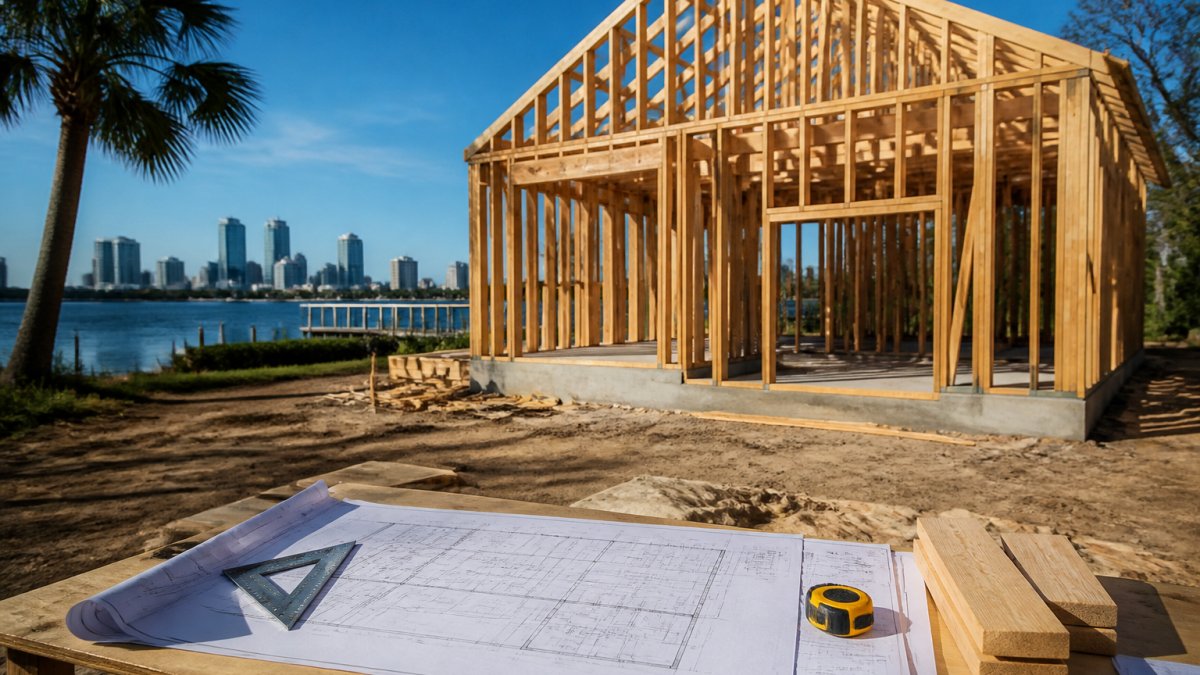
Table of Contents
- Home Builder Options in Jacksonville: What Sets Them Apart
- Questions to Ask a Home Builder Before Signing
- Custom Home Construction Contract: What to Look For
- Home Builder Estimate Comparison: Evaluating Quotes
- Custom Home Building Timeline: What to Expect
- Jacksonville-Specific Building Considerations
- Choosing the Right Builder for Your Project
- Frequently Asked Questions
Last Updated: October 12, 2026
Home Builder Options in Jacksonville: What Sets Them Apart
Choosing the right home builder in Jacksonville in Florida is one of the most significant decisions you’ll make as a homeowner. The builder you select shapes not just your home’s structure, but your entire construction experience, from the design phase through move-in day.
The market here includes established custom builders, semi-custom options, and move-in-ready communities. Each brings different strengths. Some excel at personalization and design flexibility. Others prioritize speed and predictability. Understanding what separates them matters before you commit.
At Remodeling Pros, we’ve worked alongside homeowners navigating this exact choice for years. We’ve seen which builder partnerships lead to satisfaction and which ones create headaches.
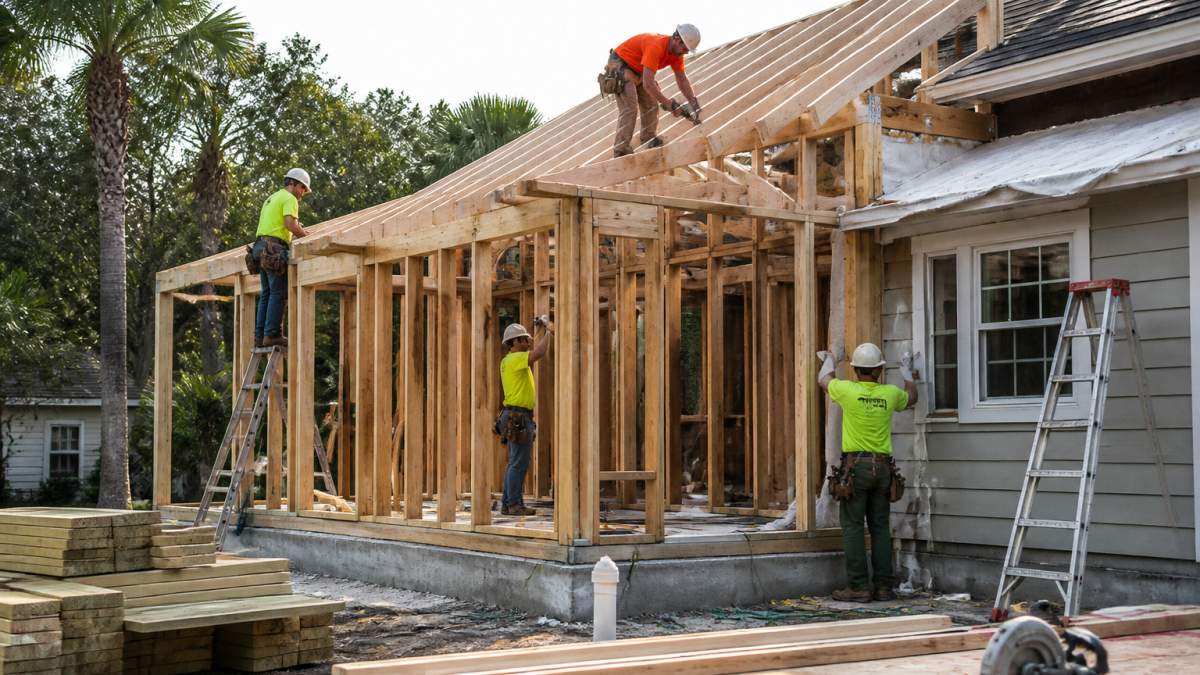
When you’re evaluating a home builder in Jacksonville in Florida, look for builders who specialize in your specific project type.
The strongest home builder in Jacksonville in Florida for your situation depends on your priorities. Do you want maximum design control? Are you looking for a move-in-ready option? Do you need a builder who can work within a tight timeline? These questions should drive your choice, not brand loyalty or convenience alone.
Questions to Ask a Home Builder Before Signing
Before you sign anything, you need answers to specific questions. These aren’t just about being thorough, they’re about avoiding costly surprises later.
Start with the basics: How long has this builder been operating? What’s their experience with homes similar to yours? Ask for references from recent clients in your area, not just their five best projects. Call those references. Ask about communication, timeline accuracy, and how the builder handled problems.
Next, dig into their process. How do they handle design changes? What’s their change-order policy? Many builders have a straightforward process here; others bury the details in fine print. A home builder in Jacksonville in Florida worth your time explains this clearly upfront.
Ask about their warranty. What does it cover? For how long? What’s not included? Construction defects can surface months after move-in. You need to know exactly what the builder will fix and what falls on you.
Request a detailed cost breakdown. Don’t accept vague categories like “construction costs.” Ask for specifics: foundation work, framing, electrical, plumbing, finishes. This level of detail prevents sticker shock later. A builder who resists this transparency is a red flag.
Finally, ask how they handle delays. Weather happens. Supply chain issues happen. What’s their contingency plan? How do they communicate delays to you? The best home builder in Jacksonville in Florida has a clear protocol for this and sticks to it.
Custom Home Construction Contract: What to Look For
Your contract is your protection. It’s the document that defines what gets built, when, and for how much. Don’t skim it.
The contract should specify exactly what’s included in the base price and what costs extra. Upgrades, lot preparation, permits, inspections, these can add thousands. A clear contract lists them separately so you know the true cost before construction begins.
Look for defined start and completion dates. “Approximately six months” is not acceptable. You need specific dates with clear language about what happens if those dates slip. Some contracts include penalty clauses if the builder misses deadlines. Others specify how you’ll be compensated for delays.
The contract must detail the change-order process. Life happens. You might want different fixtures or decide to expand a room. How does the builder handle this? What’s the process? How much notice do they need?
Payment terms matter. Most builders ask for payments at key milestones: foundation complete, framing complete, rough-in complete, final. Your contract should specify exactly when these payments are due and what percentage of the total each represents. Never pay the full amount upfront.
Check the warranty section carefully. What defects are covered? For how long? What’s the process for filing a claim? A solid warranty gives you recourse if something fails shortly after move-in.
Finally, ensure the contract addresses dispute resolution. If something goes wrong, how will it be handled? Mediation? Arbitration? Court? Knowing this upfront prevents confusion if problems arise.
Home Builder Estimate Comparison: Evaluating Quotes
You’ll get multiple quotes from different builders. Comparing them requires more than just looking at the bottom number.
Request detailed estimates from each home builder in Jacksonville in Florida you’re considering. The estimate should break down labor, materials, and overhead separately. It should list every major system: foundation, framing, electrical, HVAC, plumbing, finishes.
Watch for what’s included and what isn’t. One builder might include site preparation and permits in their base price. Another might charge those separately. A builder offering the lowest price might be excluding items another builder includes.
Ask each builder to explain their overhead percentage. This covers their office staff, equipment, insurance, and profit. Typical ranges vary, but understanding how much of your money goes to overhead versus actual construction helps you evaluate whether a price is fair.
Timeline affects cost. A builder who can complete your home in six months might charge more than one quoting nine months because they’re allocating more resources. Faster doesn’t always mean better, but you need to understand what you’re paying for.
Request a payment schedule with each estimate. How much down? When are payments due? A builder asking for 50 percent upfront is riskier than one asking for 25 percent. The payment schedule should align with construction milestones, not be front-loaded.
When comparing estimates, ask about contingencies. What if they hit rock during excavation? What if lumber prices spike? A realistic estimate includes buffer for the unexpected.
| Estimate Element | What to Check | Why It Matters |
|---|---|---|
| Base price breakdown | Labor, materials, overhead listed separately | Identifies hidden costs and overhead percentages |
| Inclusions | What’s covered in base price vs. upgrades | Prevents surprise charges during construction |
| Timeline | Specific start and completion dates | Clarifies project duration and payment schedule |
| Payment schedule | Percentage due at each milestone | Protects you from overpaying early |
| Contingencies | Budget for unexpected issues | Reveals realistic vs. optimistic estimates |
| Warranty details | Coverage period and what’s included | Defines builder’s post-completion responsibility |
Custom Home Building Timeline: What to Expect
Construction timelines vary based on home size, complexity, and local conditions. Understanding realistic expectations prevents frustration.
A typical custom home in this region takes six to nine months from foundation to move-in. Smaller additions or semi-custom homes might take four to six months. Large custom homes with complex designs can stretch to twelve months or longer.
The timeline breaks into phases. Site preparation and foundation work usually take four to six weeks. Framing typically takes six to eight weeks. Electrical, plumbing, and HVAC rough-in happens next, usually four to six weeks. Drywall and interior finishes take another six to eight weeks.
Weather impacts timelines significantly in this region. Heavy rain can delay foundation work. Hurricane season affects scheduling. A realistic home builder in Jacksonville in Florida builds weather contingencies into their timeline, not as excuses for delays but as planned buffers.
Supply chain issues still affect some timelines, though less than during the pandemic. Special-order fixtures, custom cabinetry, or specific materials might add weeks. Ask your builder which items are long-lead and how they manage that risk.
Communication during construction matters as much as the timeline itself. Weekly updates, site photos, and clear notification of any delays keep you informed. Some builders use project management apps that let you track progress in real time. Others schedule regular check-in calls. Either way, you should never wonder where your project stands.
Jacksonville-Specific Building Considerations
This region presents unique building challenges that affect cost and timeline.
The water table here is high. Drainage and foundation work require careful planning.
Flood risk varies by location. Some neighborhoods are in flood zones; others aren’t. Your builder should understand local flood maps and how they affect your design and insurance. Elevated designs cost more but may be necessary in certain areas. Your builder should explain this upfront, not surprise you with it later.
Hurricane-resistant design is practical here, not optional. This means roof design, window specifications, and structural bracing that can withstand high winds. Building codes require this, but the quality of execution varies. Ask your builder about their hurricane-resistant construction methods.
Soil composition varies across the region. Some areas have sandy soil; others have clay or rock. This affects foundation design and excavation costs. A builder who’s worked extensively in your specific neighborhood understands these variations. A builder new to the area might not.
Humidity and moisture management matter for long-term durability. Proper ventilation, moisture barriers, and material selection prevent mold and decay. Tropical climate construction requires expertise that not every builder has.
Choosing the Right Builder for Your Project
After evaluating options, you’re ready to choose. This decision should be based on fit, not just price.
Does the builder understand your vision? During initial consultations, did they listen or just talk? A builder who asks questions and takes notes is more likely to deliver what you want. A builder who immediately starts pushing their standard design is probably less flexible.
Do you trust their timeline? Have they been honest about what’s realistic? A builder who acknowledges challenges and explains how they’ll handle them is more trustworthy than one who promises unrealistic speed.
Are they transparent about costs? Did they explain their pricing clearly? Did they answer your questions directly? Transparency during the sales process usually continues through construction.
Does their warranty match your expectations? Is it competitive with other builders? Do you understand what’s covered and for how long?
Finally, do you feel comfortable working with this person for six to twelve months? You’ll communicate regularly. You’ll make decisions together. You’ll work through problems. Choose a home builder in Jacksonville in Florida you actually want to talk to.
The strongest choice combines experience, transparency, and communication. Price matters, but it’s rarely the deciding factor for long-term satisfaction. Homeowners who chose based on the lowest bid often regret it. Those who chose based on trust and clear communication almost always feel good about their decision.
Finding the right home builder in Jacksonville in Florida requires asking the right questions and understanding what separates one builder from another. Whether you’re planning a custom addition or exploring new construction options, we’re here to provide expert guidance on what truly adds value to your home. Get a Quote today and let us show you how clear communication and transparent planning make all the difference.
Frequently Asked Questions
What should I look for in a home builder’s contract?
A solid custom home construction contract should clearly define the scope of work, itemized pricing with what is included, construction timeline with milestone dates, payment schedule, warranty terms, and change-order procedures. Verify that the contract specifies how site-specific issues (like foundation work or flood-mitigation measures) will be handled and who bears the cost if unexpected conditions arise. Ask the builder to explain every line item so you understand exactly what you’re paying for and what happens if conditions change during construction.
How long does it typically take to build a custom home?
A custom home building timeline varies based on size, complexity, and site conditions. Your builder should provide a detailed schedule with key milestones, foundation, framing, systems installation, and final inspections, so you know what to expect at each phase. Weather, permit delays, and design changes can all affect the timeline, which is why a reputable builder includes contingency buffers in their estimates.
How do I compare quotes from different home builders?
When evaluating home builder estimate comparison, request itemized quotes from multiple builders based on the same specifications, same floor plan, same lot, same finishes and upgrades. Compare not just the total price but what is included: does the estimate cover site preparation, foundation, all systems, exterior finishes, and interior details? Ask each builder to clarify exclusions and what their warranty covers. Also factor in the builder’s timeline, communication style, and whether they offer design services like 3D rendering, which can prevent costly changes later. The lowest price isn’t always the best value if the builder has longer timelines or fewer inclusions.
What questions should I ask a home builder before signing a contract?
Before committing, ask about the builder’s experience with homes similar to yours, their warranty coverage and how disputes are handled, whether they offer design visualization (like 3D rendering), how they manage change orders and cost overruns, and their timeline for your specific project. Request references from recent clients and verify their licensing and insurance. Ask how they handle unexpected site conditions, like poor soil, flood risk, or utility conflicts, and who pays for solutions. Understanding how the builder communicates during construction and their process for addressing problems will help you avoid surprises and ensure a smoother project.