Table of Contents
- Step 1: Build a Realistic Pre-Construction Budget
- Step 2: How to Compare Contractor Estimates
- Step 3: Set Up a Renovation Contingency Fund
- Step 4: Establish a Home Remodeling Change Order Process
- Step 5: Use Renovation Project Cost Tracking
- Step 6: Vet Contractors for Budget Performance
- Step 7: What to Do When an Overrun Is Forecast
- Conclusion
- Frequently Asked Questions
Last Updated: October 6, 2026
Step 1: Build a Realistic Pre-Construction Budget
Avoiding contractor budget overruns in 2026 starts before anyone swings a hammer. A realistic pre-construction budget is a line-by-line plan built from drawings, site checks, and current material quotes, not a rough guess. At Remodeling Pros, we have watched too many homeowners skip this step and pay for it later.
The budget is not one number. It is many small numbers that add up.
Why Accurate Estimates Prevent Cost Overruns
An accurate estimate is the single strongest defense against a cost overrun. When each line item is priced and confirmed, surprises shrink fast. When it is a guess, every missing item becomes a change order.
A common mistake is budgeting only for visible work. Roof, paint, and floors get priced. Framing, permits, and hauling do not.
Here is what a realistic budget must cover:
- Labor costs by trade and crew size
- Material costs with current supplier quotes
- Permits, inspections, and plan review fees
- Equipment rental and disposal
- A design and engineering allowance
- Sales tax on materials
Each item should be a line in the budget, not a lump. That is how you catch gaps early.
The most common overrun source is an incomplete scope. If the budget has no line for permits or hauling, that cost lands later as a surprise bill. Build the full list first.
Step 2: How to Compare Contractor Estimates
Comparing contractor estimates means normalizing them first. Bids rarely use the same format, so a low total can hide missing work. Put every bid into one spreadsheet with the same line items before you compare numbers.
Ask each contractor for the same scope of work in writing. Then check three things:
- What is included
- What is excluded
- What is an allowance versus a fixed price
A bid with a low total and many exclusions is not cheaper. It just moves cost to later.
Line-Item vs. Lump-Sum Bids
A line-item bid lists each task with its own price. A lump-sum bid gives one total for the whole job.
Line-item bids are easier to compare and track. Lump-sum bids hide where the money goes. For renovations, we recommend line-item bids whenever possible.
| Bid Type | Best For | Main Risk |
|---|---|---|
| Line-item | Comparing bids, tracking spend | More paperwork |
| Lump-sum | Simple, fixed jobs | Hidden gaps, harder to track |
For a full guide on scope documentation, the U.S. General Services Administration acquisition guidance explains how clear scope language prevents disputes.
Step 3: Set Up a Renovation Contingency Fund
A renovation contingency fund is money set aside for the unexpected. Most contractors suggest holding a reserve of about 10 to 20 percent of the project cost. Old homes and structural work sit at the higher end.
Think of it as insurance, not extra spending. If you do not use it, you keep it.
What the reserve covers:
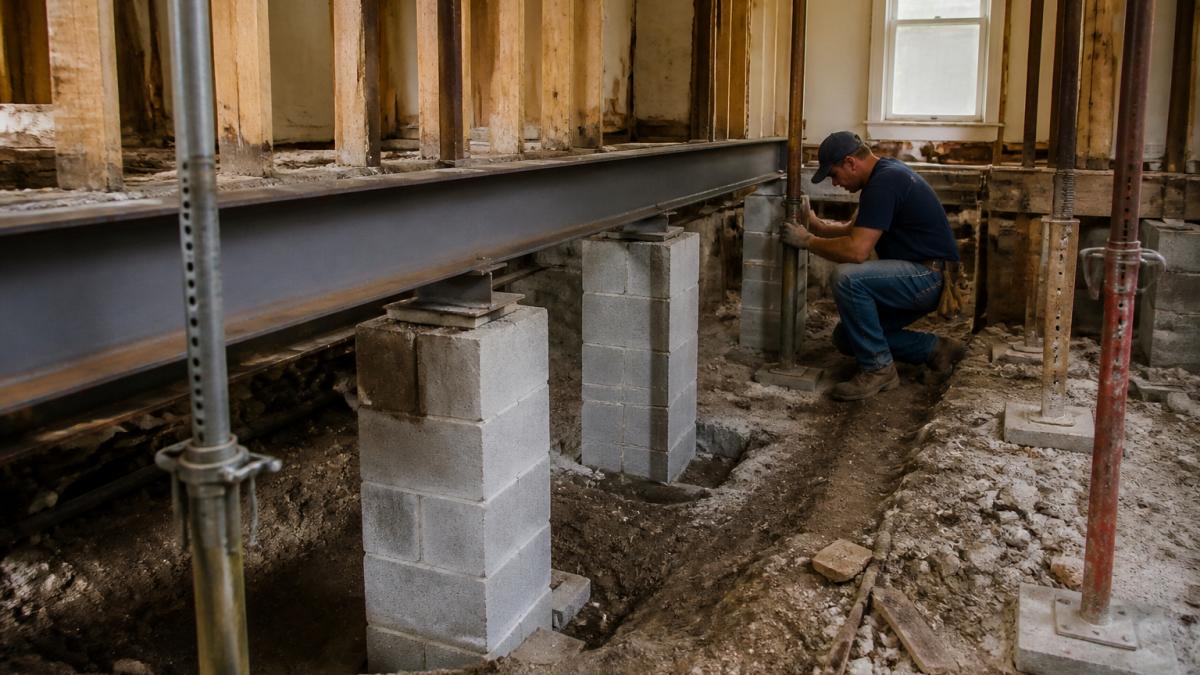
- Hidden damage behind walls
- Code updates found during inspection
- Material price changes
- Small design shifts
Do not fold the reserve into your main budget. Keep it separate so it stays untouched.
Set your contingency at the high end for homes over 30 years old. Older framing and wiring often fail inspection and need work no one could see on day one.
Step 4: Establish a Home Remodeling Change Order Process
A home remodeling change order process is a written rule for handling any change after work starts. No verbal changes. No handshake deals. Every change gets a form, a price, and a signature before the work happens.
This one rule prevents most disputes. It also stops small requests from snowballing.
What a Change Order Must Include
Every change order should have:
- A clear description of the change
- The reason for the change
- The added or reduced cost
- The effect on the schedule
- Signatures from owner and contractor
No signature, no work. That protects both sides.
Step 5: Use Renovation Project Cost Tracking
Renovation project cost tracking is the habit of comparing actual spend to the budget every week. A budget you never check is just a wish.
Most homeowners track only what has been invoiced. That is the weakest version of tracking, because the biggest risk is money you have already committed but not yet paid.

Build a Weekly Budget-Tracking Dashboard
A usable dashboard has more than three columns. Build one row per budget line and track these fields:
- Original budget, the approved line-item amount
- Approved changes, signed change orders that raise or lower the line
- Revised budget, original plus approved changes
- Committed cost, signed contracts, purchase orders, and approved change orders not yet invoiced
- Actual cost, invoices paid or approved for payment
- Forecast at completion, actual plus committed plus your best estimate of remaining work on that line
- Variance, revised budget minus forecast at completion
- Percent used, actual plus committed divided by revised budget
The forecast-at-completion column is the one that matters. Actual spend tells you where you have been. Forecast tells you where you are going. A line can sit at 40 percent actual and still be heading for a 130 percent finish once committed costs and remaining work are counted.
Set Escalation Thresholds
Thresholds turn a spreadsheet into an early-warning system. A common pattern is three tiers:
- Yellow at 80 percent used, flag the line, confirm remaining scope, and check whether the forecast still holds
- Orange at 90 percent, require a written plan before any further commitment on that line
- Red at 100 percent or any negative variance, stop new commitments on that line until the owner and contractor agree in writing on how to close the gap
Apply the same thresholds to the project total, not just individual lines. A project can be on budget line by line and still overrun if many lines are drifting at once.
Run the Weekly Review
Set a fixed day and time each week. The review is short if the data is current:
- Update actual and committed costs from invoices, receipts, and signed change orders
- Refresh forecast at completion for every active line
- Flag every line that crossed a threshold
- Note the cause, scope, price, or delay, for each flag
- Decide the response and record it in writing
Keep one shared file the owner and contractor both update. A tracker only one side can see is not a control; it is a report.
A weekly review catches overruns early, when they are cheap to fix. A monthly review catches them after the money is gone. The forecast-at-completion column, not the actual-spend column, is what tells you an overrun is coming.
If your contractor cannot or will not share committed costs and a forecast at completion, treat that as a budget risk in itself. You cannot manage a number you are not allowed to see.
Step 6: Vet Contractors for Budget Performance
Vetting a contractor for budget performance means asking about past overruns, not just past projects. Anyone can show pretty photos. Fewer can show a clean budget history. The interview is only half the job. The other half is what the contract says before work begins.
Ask These Questions
- Can you share line-item budgets from past jobs?
- How often do your projects finish on budget?
- What is your change order process?
- Who tracks costs, and how often?
- How do you price allowances?
- Which items are excluded from your bid?
- How do you handle retainage and final payment?
A contractor who answers clearly has done this before. One who dodges has not.
Read the Contract for Budget Controls
A clear scope and a fair payment schedule prevent more overruns than any conversation. Before you sign, confirm the contract addresses each of these:
- Allowances, an allowance is a placeholder, not a price. Ask what happens if the actual cost exceeds it, who selects the material, and whether the contractor charges markup on the overage. A low allowance can make a bid look cheap and still cost more later.
- Exclusions, list what the bid does not include: permits, hauling, engineering, temporary power, cleanup, and finish work are common gaps. Every exclusion is a future change order unless you price it now.
- Change-order approval, no work proceeds without a written change order signed by the owner. The form states the description, the cost, and the schedule effect. No signature, no work.
- Payment milestones, tie payments to completed, inspected work, not to dates. A schedule that pays heavily up front leaves you with little leverage if the work stalls.
- Retainage, holding back a percentage of each progress payment until the job is substantially complete is a standard owner protection. Confirm the percentage, when it is released, and what counts as completion.
- Documentation, require lien waivers from the contractor and major subcontractors as payments are made, and keep every change order, invoice, and approval in one file.
Compare Bids on the Same Scope
Normalize every bid before you compare totals. Put each one into the same line-item spreadsheet and check three things: what is included, what is excluded, and what is an allowance versus a fixed price.
For contract standards, the American Institute of Architects contract documents outline fair payment and change terms. State and local licensing boards also publish contractor licensing and complaint records you can check before signing.
A low bid with vague allowances and a long exclusion list is the most common setup for a mid-project overrun. Price the exclusions and pin down the allowances before you sign, not after the walls are open.
Step 7: What to Do When an Overrun Is Forecast
When an overrun is forecast, act the same week. Do not wait for the invoice. A forecast overrun is a warning, and warnings are cheap to fix early.
Run this sequence:
- Confirm the numbers with your contractor
- Identify the cause: scope, price, or delay
- List options to cut or defer
- Decide together, in writing
- Update the budget and the schedule
Options to close a gap:
- Swap a material for a similar option
- Defer a non-critical item to a later phase
- Adjust the scope with a signed change order
- Use part of the contingency reserve
The worst move is silence. Hidden overruns grow.
Ignoring a forecast overrun until the final bill turns a small gap into a dispute. Address it the week you see it.
Conclusion
Every renovation carries risk, and the projects that stay on budget are the ones planned and tracked from day one. Remodeling Pros helps homeowners in Northeast Florida control costs with sophisticated 3D design, our exclusive Last Day Breakthrough system, and expert guidance on which upgrades add real value. You keep full use of your home while we work, and you see the plan before we build.
Frequently Asked Questions
How can homeowners avoid contractor budget overruns?
Start with a detailed line-item estimate that separates labor, materials, and permits. Add a contingency fund of 10-20% of the total project cost. Before work begins, agree on a written change order process so any scope change gets priced and approved before it happens. Track actual spend against your budget weekly. Vetting contractors for budget performance, not just lowest bid, prevents the most common cause of overruns.
How much contingency should I set aside for a renovation?
Most renovation professionals recommend a contingency fund of 10-20% of your total project budget. For older homes or projects involving structural work, aim for the higher end. A $100,000 renovation should carry at least $10,000 to $20,000 set aside for unexpected costs like hidden water damage, outdated wiring, or permit delays. This fund is not extra spending money; it is your buffer against the unknown.
What should I do if a contractor says the project will cost more than estimated?
Ask for a written change order that breaks down the additional cost by labor, materials, and timeline impact. Compare it to your original scope of work. If the increase is legitimate, check whether your contingency fund covers it. If it exceeds your reserve, discuss value engineering options with your contractor, such as substituting materials or phasing the work. Never approve verbal cost increases without documentation.
What are the most common causes of remodeling cost overruns?
The most common causes include inaccurate estimates that miss hidden conditions, scope changes made mid-project without a formal change order process, construction delays that add labor costs, and insufficient contingency reserves. Poor communication between owners and contractors also leads to misunderstandings about what is included. Projects with detailed pre-construction planning and weekly cost tracking consistently stay closer to budget.